Last updated: October 30, 2026
Quick Answer: In 0 to 24 hours, a rental repair is usually an emergency if it creates immediate danger, major damage, or loss of essential service. When is a repair an emergency in a rental unit? Use that rule of thumb for gas leaks, no heat in cold weather, no running water, exposed wiring, or active flooding. A broken cabinet door is a repair request; a spark from an outlet is an emergency.
If the issue can wait for a normal business day without putting people or the building at risk, it is usually not an emergency. That is the line this guide helps you draw fast, because tenants and landlords lose time when every repair gets treated the same way. When in doubt, consult a licensed professional or local housing authority, since emergency standards can vary by lease and local rules.
Emergency repair means immediate danger or major loss of essential service
An emergency repair is one that needs immediate action, not a routine work order. In plain terms, it is a problem that threatens safety, health, or the structure of the unit within hours, not weeks.
The most common emergencies are easy to name:
- a gas leak or the smell of gas
- no heat during cold weather
- no water, or only a trickle
- electrical hazards like sparking outlets, burning smells, or repeated breaker trips
- flooding from a burst pipe, toilet overflow, or roof leak
- sewage backup
- a fire, carbon monoxide alarm, or any condition that makes the unit unsafe to occupy
The reason these count is simple: the harm can grow quickly. A slow drip under a sink is one thing. A pipe spraying water into a wall cavity is another. A dead refrigerator is annoying; a broken heater in winter can become dangerous. The word “emergency” is not about inconvenience. It is about immediate risk.
A useful test is this: if the tenant, landlord, or a repair person would reasonably want action within the same day, the issue is likely emergency-level. If it can safely wait until regular hours, it usually is not. If you are unsure, consult a qualified plumber, electrician, or property manager before deciding.
For broader repair categories, the rental repairs hub can help once the situation is no longer urgent.
What should I report first: gas, heat, water, or electricity?
Gas, electricity, and active flooding come first because they can turn dangerous in minutes. Heat and water shortages also rise to emergency level when they leave the unit unsafe or unusable.
Here is the practical order most tenants should use:
- Gas smell or suspected leak — Leave the unit if the odor is strong or worsening. Do not flip switches, light matches, or use appliances. Call the gas utility or emergency line first, then tell the landlord. The result you want is a shutoff and inspection before anyone reenters.
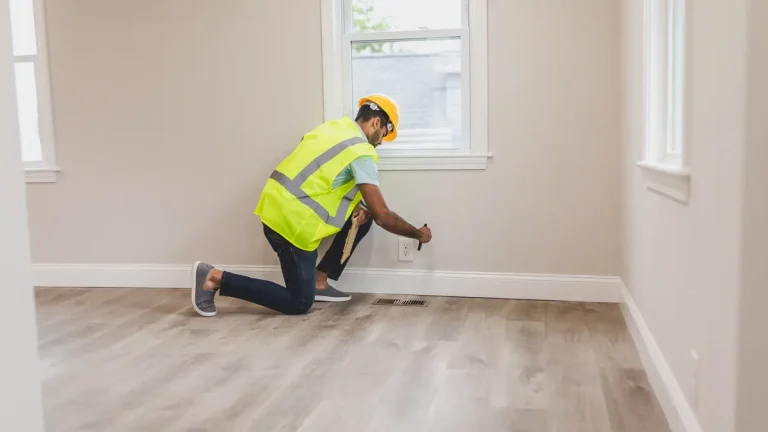
- Electrical hazard — If an outlet is sparking, a fixture is smoking, or a breaker keeps tripping after reset, stop using that circuit. Unplug nearby devices if it can be done without reaching through water or heat. The goal is to prevent shock or fire.
- Flooding or major leak — Shut off the nearest water valve if it is safe and reachable. Move belongings out of the wet area. The result you want is stopping the source before drywall, flooring, or neighboring units are damaged.
- No heat — If outside temperatures are low and the unit cannot stay warm with safe temporary measures, report it as urgent. A broken heater is not just comfort-related when pipes can freeze or people can get sick.
- No water — Loss of all water is urgent because it affects drinking, sanitation, and basic living. If only one faucet is down, it may be less urgent unless the whole unit is affected.
The common mistake is waiting to see whether the problem “settles down.” That costs time and usually makes the repair more expensive. A leak that starts as a stain can become a ceiling collapse. A mild electrical odor can become a melted receptacle. In many cities, the first response window is the difference between a minor service call and a much larger claim.
How do I tell an emergency repair from an ordinary one?
An ordinary repair is one that affects comfort, convenience, or appearance without creating immediate danger. An emergency repair affects safety, habitability, or the building itself right now.
A broken blind, a loose door handle, a chipped tile, a slow-draining sink, or a cabinet hinge are usually ordinary repairs. They matter, but they rarely require immediate response. A nonworking stove burner can be urgent if it leaves the tenant without cooking for several days, but it is not usually in the same class as a gas leak or a live wire.
The clearest way to sort the two is to ask three questions:
- Is someone in danger?
- Is the unit becoming damaged by the hour?
- Is an essential service gone, such as heat, water, or safe electricity?
If the answer to any of those is yes, treat it as an emergency repair. If all three are no, it is probably a standard repair request. If the facts are unclear, consult a professional rather than guessing, because housing codes and lease duties can differ.
This distinction matters because landlords often have different response pathways for emergency repair versus routine maintenance. A 24-hour call line, after-hours contractor, or utility contact may exist for emergencies only. Using that path for a minor issue can delay real emergencies, and using the routine path for a serious one wastes the most valuable thing in a crisis: time.
What should a tenant do in the first 10 minutes?
A tenant should make the area safe, document the problem, and contact the right people in that order.
- Protect people first. If there is smoke, gas, fire, exposed wiring, or rapidly rising water, move away from the hazard. Leave the unit if needed. The immediate goal is no injuries.
- Stop what can be safely stopped. Shut off the water valve, unplug a device, or switch off power only if the control is dry, visible, and reachable without crossing a hazard. A safe shutoff can prevent a small issue from becoming a large one.
- Preserve evidence. Take a few photos or a short video that shows the problem and where it is happening. This helps later if the landlord, utility, or insurer needs to see the condition before repairs start.
- Contact the landlord right away. Use the emergency number, text, email, or portal the lease provides. Say what happened, where it is, whether anyone is in danger, and whether utility service is affected.
- Call outside help when the hazard is immediate. Gas leaks, active fire, carbon monoxide alarms, and serious electrical hazards may require utility or emergency services before the landlord responds. The point is to reduce risk, not wait for a callback.
- Keep the message short and specific. “Kitchen outlet is sparking and the breaker will not stay on” is more useful than “Need maintenance ASAP.” Specific facts get faster action.
The biggest mistake here is trying to solve everything before reporting it. Tenants do not need to diagnose a failed valve, a bad breaker, or a roof leak. They need to report the condition clearly and keep people safe. When the repair is beyond a tenant’s skill, a licensed technician should make the diagnosis.
When the landlord must act fast, and when the problem can wait
A landlord should treat the issue as urgent when the repair affects safety, essential services, or the structure of the unit. A normal business-day delay is not appropriate for a gas leak, no heat in cold weather, no water, exposed wiring, sewage backup, or flooding.
That does not mean every emergency must be fixed fully in 2 hours. Some repairs take time, parts, or access. The obligation is to respond quickly and take reasonable steps to reduce the danger. That may mean shutting off service, sending an emergency contractor, placing a temporary patch, or moving the tenant to another unit if the loss is severe enough and the lease or local rules allow it.
What a landlord should not do is reclassify a true emergency as routine just because it is inconvenient or expensive. A broken heater in January is not “just maintenance.” A wet ceiling under an active leak is not something to revisit next week.
A practical benchmark many property managers use is the same-day emergency response path, even if the permanent repair comes later. That is the right model for issues with active risk. It is not the right model for cosmetic problems, minor appliance failures, or items that remain usable and safe. For a concrete example, the U.S. Department of Housing and Urban Development treats life-threatening hazards as immediate concerns under habitability standards. See HUD housing quality standards.
This is where a lot of disputes start: the tenant wants immediate action because the problem feels serious; the landlord sees only a cost. The deciding factor is not the invoice. It is the hazard.
Which problems are urgent because they can spread?
Flooding, mold-producing moisture, sewer backup, and broken heating in cold weather are urgent because they spread damage beyond the original spot.
Flooding is the easiest example. A burst supply line can soak flooring, drywall, cabinets, and wiring in a single hour. Even after the water stops, the hidden damage can continue behind walls. A landlord should know about it immediately, and a tenant should not wait to see whether the floor dries on its own.
Mold is different from a visible puddle, but the trigger is often the same: water that stays where it should not. A damp ceiling after a roof leak, repeated condensation around windows, or a soaked wall behind a toilet can turn into a bigger health and building issue if ignored. This page is not a mold guide, but moisture that keeps returning should be treated as urgent, not cosmetic. If it persists for more than 24 hours, consult a mold or water-damage professional.
A broken heater matters for the same reason. The immediate issue is discomfort, but cold temperatures can cause pipes to freeze and burst, especially in older buildings. That turns one repair into two or three. A heater failure also crosses into safety territory faster when children, older adults, or medically vulnerable occupants are in the unit. For that reason, loss of heat is one of the clearest emergency repair examples. The CDC has also warned that indoor temperatures can become dangerous during extreme cold; see CDC guidance on cold exposure.
The honest limitation: not every damp patch, draft, or appliance failure is an emergency. Some are ordinary maintenance. The test is speed of harm. If the problem can damage the unit or people before a standard repair visit, treat it as urgent. If you cannot tell, consult a professional instead of waiting.
What if the landlord says it is not an emergency?
If the landlord says it is not an emergency but the condition still involves gas, electricity, water, heat, or structural danger, the tenant should not rely on that label alone.
The safest move is to restate the facts, not argue the category. Describe what is happening in concrete terms: “The outlet is sparking,” “the apartment has no running water,” “the heater is off and the temperature inside is dropping,” or “water is coming through the ceiling.” Facts are harder to dismiss than labels.
If the issue is truly minor, then it can wait for the usual maintenance route. That is the right place for a sticky lock, a broken drawer front, or a loose towel bar. Those issues should still be fixed, but they are not emergency repairs.
If the issue is serious and the landlord remains unreachable, the tenant should follow the lease’s emergency procedure and any utility or emergency contact instructions posted for the building. For a gas leak or other immediate hazard, outside emergency response can be necessary before the landlord becomes available. Many leases also point tenants to a separate after-hours maintenance line, so check the emergency contacts page if one exists.
The trade-off is simple: overcalling a minor issue can waste time, but undercalling a dangerous one can cost far more. On this topic, caution is usually the better error. Local tenant hotlines and housing departments can help if the landlord disagrees.
Key Takeaways
- A rental emergency is a repair that creates immediate danger, major damage, or loss of essential service.
- Gas leaks, no heat in cold weather, no water, electrical hazards, and flooding are the clearest examples.
- If the problem can wait until normal hours without risking safety or the building, it is usually not an emergency.
- Tenants should make the area safe, document the condition, and contact the landlord and utility or emergency services as needed.
- Landlords should respond on an emergency basis even if the permanent fix takes longer.
What repair problems are emergencies?
Emergency repair problems are the ones that threaten safety, habitability, or the building right away. Gas leaks, active flooding, exposed wiring, no heat in cold weather, no water, and sewage backup are the clearest examples. A loose handle or broken blind is usually not emergency-level, even if it is frustrating.
Can I call someone else for an emergency repair?
Yes, if the hazard is immediate and the landlord cannot be reached quickly enough. Gas leaks, fire risks, and severe electrical problems may need utility or emergency response first. Keep the lease, local rules, and any building emergency instructions in mind, because reimbursement and permission issues can vary. The U.S. Consumer Product Safety Commission also publishes emergency guidance for carbon monoxide and electrical hazards; see CPSC safety resources.
What should I do if the landlord is unreachable?
If the landlord is unreachable, focus on safety and use the emergency contacts provided for the building, utility, or emergency services. Leave the unit if there is gas, fire, smoke, or unsafe flooding. Keep a record of the time, the condition, and every message sent so the timeline is clear later.
Drafted with AI; not yet reviewed by a person.