Last updated: October 30, 2026
Key Takeaways
- Damage usually follows responsibility, but the lease and the facts still control the outcome.
- Tenant-caused damage is usually paid by the tenant, not the landlord.
- Guest-caused damage is often billed to the tenant under the lease.
- Negligence can make a tenant pay even when the damage was not intentional.
The topic, Who Pays for Repairs Caused by a Tenant or Guest?, usually turns on who caused the damage and what the lease says. The tenant usually pays for repairs caused by a tenant or a guest, unless the damage came from ordinary wear, a building defect, or a landlord’s own failure to maintain the property. That is the short answer most readers need: if the repair invoice is for damage beyond normal use, the person who caused it is usually the one who should cover it.
The fastest way to decide who should pay

The person who caused the damage usually pays, but the lease agreement and the facts of the damage control the result. If a guest smashed a mirror, a tenant’s dog scratched a door, or a tenant left a sink running and ruined the cabinet base, those are not ordinary maintenance items. They are chargeable damage in the usual sense of the term.
Start with the source of the problem, not the repair bill. If the issue came from day-to-day aging, the landlord handles it as maintenance. If it came from a specific act, omission, or careless use, it shifts toward tenant responsibility. A broken window or a hole punched in drywall is usually treated differently from a worn-out faucet washer or a faded appliance finish.
The lease agreement often sets the framework. Many leases say the tenant must pay for damage beyond normal use, including damage by household members and guests. That language matters because a tenant cannot usually point to “I didn’t do it personally” if the guest was invited in and the damage happened inside the unit.
The cleanest first question is this: did someone’s conduct cause a specific repair invoice? If yes, the repair may be billed to the tenant or the responsible party. If no, the problem may belong on the landlord’s maintenance side.
For a broader breakdown of the repair process, the rental repairs hub is the place to start.
Who pays for tenant-caused damage?
Tenant-caused damage is usually paid by the tenant, not the landlord. That includes damage from carelessness, misuse, or a failure to act when action was reasonable, such as ignoring a leak long enough for it to spread.
A landlord does not usually absorb the cost of a broken interior door if the tenant kicked it in, or a damaged countertop if the tenant used the wrong tool and gouged the surface. Those are repair charges tied to conduct, not to the age of the property. The repair invoice is then often sent to the tenant, or the landlord records it for later billing through the lease process.
Here is the core procedure that usually determines payment:
- Identify the exact damage, such as a cracked tile, torn screen, or water-stained ceiling, so the charge is tied to one issue instead of the whole unit.
- Separate the cause from the symptom. A ceiling stain may point to a tenant’s overflowing bathtub, but it may also come from a roof leak. The cause decides who pays.
- Read the lease agreement for damage clauses, guest liability language, and any notice rules for repair charges.
- Check whether the damage fits ordinary wear or goes beyond it. A loose handle after years of use is different from a handle ripped off a cabinet door.
- Ask for a repair invoice or contractor estimate that names the specific work. A line item like “replace drywall section” is much easier to evaluate than a vague lump sum.
- Compare the cause to the bill. If the bill repairs tenant-caused damage, the tenant is usually the one asked to pay.
The practical point is simple: repairs get assigned by cause, not by inconvenience. A landlord should not shift a plumbing failure caused by old pipes to a tenant, and a tenant should not expect the landlord to eat the cost of a broken window created by a thrown object. The closer the damage is to a specific act, the stronger the case for tenant payment.
One limitation matters here. If the lease is silent or unclear, local rules and the facts of the damage matter more, and that is where a landlord or tenant may need a property lawyer or local housing adviser to review the paperwork.
Who pays when a guest caused the damage?
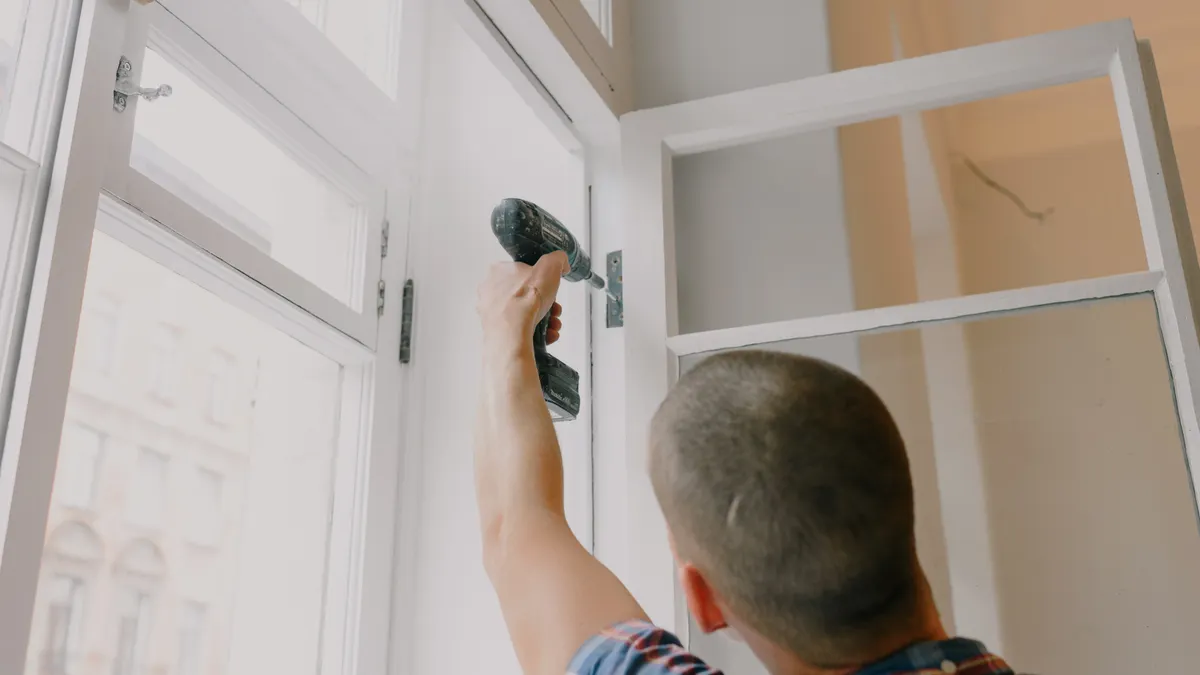
The tenant usually pays when a guest caused the damage, because guests are typically treated as the tenant’s responsibility while they are on the premises. If a friend spills paint, a visitor cracks a glass cooktop, or a party guest breaks a railing, the landlord will usually look to the tenant first.
That does not mean the tenant becomes the final wallet for every incident in every situation. The better reading is that the landlord bills the tenancy relationship first, then the tenant may try to recover the cost from the guest separately if the guest is identifiable and willing to pay. In practice, many landlords do not chase the guest at all; they send the repair charge to the tenant under the lease agreement and treat guest conduct as part of occupancy control.
The issue becomes sharper when the guest acts recklessly. A guest who leaves a bathtub running for 30 minutes, smashes a window, or uses the wrong tool on a fixture creates damage that is plainly not routine upkeep. The landlord’s repair invoice usually reflects the actual repair work, not a debate over who had the key.
The hard part is proof. If the tenant claims a guest caused the damage, the landlord still needs a reasonable way to connect the damage to the event. Photos, a move-in and move-out inspection, witness statements, and dated repair notes all help. Without that documentation, a charge can turn into a dispute over suspicion rather than fact.
This is also where many generic articles get it wrong: they stop at “guests are the tenant’s problem” and miss the next step. Responsibility and collection are not the same thing. A landlord can treat the tenant as responsible under the lease and still need evidence before sending a repair invoice that will hold up in a dispute.
What counts as negligence, and why it changes the bill
Negligence usually means a tenant failed to act with ordinary care, and that can make the tenant pay even when the damage was not intentional. This is one of the most important distinctions in repair billing, because “I didn’t mean to” is not the same as “I wasn’t responsible.”
A spilled drink wiped up right away is one thing. A spill left for days until it warps flooring is another. A tenant who reports a leak promptly has a different position from a tenant who notices water under a sink and ignores it for a week. The first looks like ordinary accident handling; the second starts to look like avoidable damage.
The same logic applies to small choices that lead to larger repairs. Leaving a window open during heavy rain, overloading shelves until they collapse, or using a fixture in a way it was not designed for can all turn into chargeable damage. The repair invoice may then include not only the visible breakage but also the resulting work, such as patching, drying, or replacing materials affected by the delay.
A common mistake is assuming “accidental” automatically means “the landlord pays.” That is wrong. Accidents still have causes, and the cause can belong to the tenant. The better test is whether the damage was foreseeable and preventable with ordinary care. If yes, tenant responsibility becomes much more likely.
There is a trade-off here. Landlords should not use “negligence” as a blank check for every inconvenience, and tenants should not assume every accident is free. The facts matter. The more the damage resembles a preventable event, the more likely it is that repair charges will be placed on the tenant.
How landlords usually bill repair charges
Landlords usually bill repair charges by documenting the damage, sending the tenant notice, and attaching the repair invoice or estimate. The charge should match the actual work, not an arbitrary penalty.
The clean way to do this is to keep the paperwork tied to the incident. Photos of the damage, a dated inspection note, the relevant lease clause, and the contractor’s invoice all point to the same event. If the issue involved a specific part, such as a broken appliance panel or a damaged lockset, the bill should identify that part. A vague charge for “general repairs” is weaker than a specific charge for “replace interior door slab” or “repair bathroom drywall.”
The lease agreement often gives the landlord the right to recover these costs. Some leases require written notice before billing; others allow the landlord to deduct or charge after notice of the amount due. The exact process depends on the wording, but the underlying idea is consistent: the landlord should explain what was damaged, why it is chargeable, and how the amount was calculated.
Good billing also avoids stacking costs. If a repair invoice covers both tenant-caused damage and ordinary maintenance, the landlord should separate the parts when possible. That matters because a tenant should not be made to pay for work the landlord would have done anyway. A contractor replacing a broken bathroom sink stopper is one thing; replacing corroded supply lines at the same visit is another.
This is a place where clarity protects both sides. Tenants get a fairer bill when the itemized charge is specific, and landlords are in a better position to collect when the paperwork shows cause, scope, and amount. If either piece is missing, disputes get bigger than the repair itself.
What a lease agreement should already say
A lease agreement should say who is responsible for damage, how guest-caused damage is handled, and how repair charges are billed. If those points are missing, the fight usually starts after the fact.
The best lease language names three things plainly: tenant responsibility for damage beyond normal use, tenant responsibility for guests and occupants, and the process for notice and payment. That avoids the common argument that “the tenant didn’t personally cause it” or “the landlord never explained the charge.” A written lease does not solve every dispute, but it gives both sides a rulebook before the repair invoice arrives.
Tenants should look for broad phrases like “all damage,” “premises condition,” or “occupants and guests.” Those phrases can carry real cost if they are written broadly. At the same time, a lease cannot magically turn ordinary maintenance into tenant damage. A landlord still has to point to the actual cause, not just the existence of a repair.
The lease should also say what happens after the damage is found. Does the landlord send a bill within 7 or 14 days? Must the tenant be given photos or an estimate? Is the tenant allowed to dispute the charge before payment is demanded? Those details matter because a good process prevents arguments from turning into collection problems.
One honest limitation: if the lease language is one-sided, unclear, or inconsistent with local rules, the document may not control everything. A tenant or landlord facing a large charge should have the agreement reviewed before treating the bill as final.
The mistakes that turn a repair into a dispute
The biggest mistakes are waiting too long, guessing at the cause, and mixing maintenance with damage. Each one can turn a manageable repair into a billing fight.
Waiting is costly because evidence disappears. A broken window photographed on the same day is straightforward; a broken window discovered a month later is harder to connect to one person or event. The fix is simple: document the damage immediately with dated photos, a short written note, and the relevant room or fixture.
Guessing at the cause is costly because it leads to the wrong person being billed. A landlord who assumes “tenant damage” when the real issue is a pipe failure risks losing credibility fast. The fix is to separate visible damage from the underlying cause before sending any repair charge.
Mixing maintenance with damage is costly because it overcharges the tenant. If a contractor replaces a damaged cabinet panel and also performs routine caulking that should have been done anyway, the bill should not lump the two together. The fix is itemization. Ask for a line-by-line repair invoice or estimate and split out the work that belongs to ordinary upkeep.
A final mistake is trying to settle everything verbally. That feels quick, but it leaves no record of what was agreed. A short email with the damage description, the lease reference, and the amount requested is usually far better than a hallway conversation. For both sides, a paper trail is the difference between a repair and a dispute.
The short answer if you are staring at a bill
The tenant usually pays if the damage came from the tenant, the tenant’s guest, or careless conduct that goes beyond ordinary use. The landlord usually pays if the issue is normal maintenance, age, or a property defect.
That is the line to use when reading a repair invoice. Ask three questions in order: what broke, what caused it, and what does the lease agreement say about damage and guests? If those answers all point to tenant-caused damage, the charge usually belongs on the tenant’s side. If they point to a landlord maintenance problem, the landlord should handle it.
The gray area is accidental damage. Accidental does not always mean landlord-paid, and it does not always mean tenant-paid. The real question is whether the accident was tied to careless or preventable conduct. That is why photos, estimates, and a clear timeline matter so much.
If the bill is large, disputed, or mixed with other repairs, the safest move is to get the charge explained in writing before paying it. A careful response now is cheaper than arguing after the next invoice arrives.
Can a landlord charge me for damage my guest caused?
Yes, a landlord can usually charge the tenant for damage caused by a guest. Guest conduct is commonly treated as the tenant’s responsibility under the lease agreement, especially when the guest was invited in and the damage was preventable or intentional.
What if the damage was accidental?
Accidental damage can still be charged to the tenant if it came from careless or preventable conduct. A mistake does not automatically make the landlord responsible. The key question is whether the event was avoidable with ordinary care and whether the lease shifts repair costs for that kind of damage.
Can repair charges be taken from the deposit?
Possibly, but that question depends on local rules and the lease, and it is not the same question as who is responsible for the damage. A repair charge can be valid even if the collection method is disputed. If the amount is being taken from a deposit, the paperwork should still show the cause, the work, and the amount.
Drafted with AI; not yet reviewed by a person.