Last updated: August 11, 2026
- Key Facts – The implied warranty of habitability applies in many states, but local rules control the remedy.
- In many places, the implied warranty of habitability: what every renter needs know is where repair rights, rent remedies, and legal notices begin.
- If your apartment has any of those, the implied warranty of habitability may be the rule that forces your landlord to act.
- A lease does not need to spell it out.
Quick Answer: Many states use the implied warranty of habitability as a legal backstop that requires a rental home to be fit to live in; no heat, unsafe water, or basic sanitation problems can put the landlord on the hook to repair them. In many places, the implied warranty of habitability: what every renter needs know is where repair rights, rent remedies, and legal notices begin.
No heat. A broken roof. Unsafe water. If your apartment has any of those, the implied warranty of habitability may be the rule that forces your landlord to act. A lease does not need to spell it out. In many states, the implied warranty of habitability: what every renter needs know is the standard that turns livability into a legal duty, not a favor.
Key Facts
– The implied warranty of habitability applies in many states, but local rules control the remedy.
– Serious problems often include no heat, unsafe water, major leaks, sewage backup, broken locks, and heavy infestations.
– A written notice and a chance to cure are often required before stronger remedies.
– Rent withholding, repair-and-deduct, or rent escrow may be allowed, but not everywhere.
– For disputes, a tenant agency, legal aid, or a licensed lawyer in your state can help.
– HUD housing guidance and state tenant-rights pages are good starting points.
What the Implied Warranty of Habitability Actually Means
Built into many rental laws is the implied warranty of habitability. Think of it as the floor under the lease: a landlord may add detailed terms, but they usually cannot write away the duty to provide a livable home where the law applies.
So the issue is the unit’s condition, not your rent history or whether your relationship with the landlord is friendly. The real question is simpler: does the home have the basics needed for safe living? This is what separates a habitability problem from an everyday annoyance.
Common habitability problems usually include, but you should consult a professional or your local tenant agency because the rules vary by state and city:
– no heat in cold weather
– no running water or unsafe water
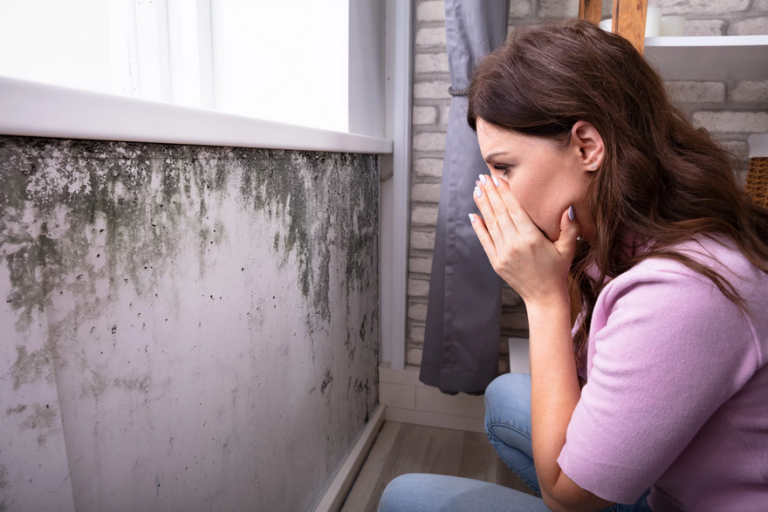
– serious leaks, mold, or sewage backup
– broken locks or doors that do not secure the unit
– dangerous electrical problems
– major pest infestations
– lack of essential sanitation
A lot of generic advice makes every defect sound legal. It is not. A squeaky cabinet door is one thing; a dead furnace is another. Apples and oranges. Habitability deals with serious conditions that affect health, safety, or basic livability.
To be fair, there is a limit here: state law controls, and sometimes city rules do too. Some places give renters stronger remedies than others. If a dispute is brewing, I would check your local tenant agency or a lawyer licensed in your state. The U.S. Department of Housing and Urban Development has general housing guidance, and many state bar associations publish tenant-rights summaries that are worth reading.
How a Habitability Problem Actually Shows Up (and Why Most People Miss It)

A bad rental problem rarely arrives wearing a legal badge. It starts as a smell, a draft, a stain, a breaker that keeps tripping, or a room that never warms up. That is why renters miss the issue: they wait until it looks “official” before they act.
Look for the pattern. One small crack may be cosmetic. A crack that keeps growing, lets in water, and leads to mold is a different story. This is what separates a maintenance issue from a habitability claim.
Here is the usual path the problem takes:
| Observable condition | What it can mean | Why it matters |
|---|---|---|
| Water stains on ceiling | Roof or plumbing leak | Can lead to mold, rot, and electrical risk |
| No heat or weak heat | Failed system or inadequate service | Can make unit unfit in cold conditions |
| Persistent roaches or rodents | Infestation not under control | Raises sanitation and health concerns |
| Broken exterior lock | Security failure | Can make the unit unsafe |
| Sewage odor or backup | Plumbing or sanitation failure | Serious livability issue |
Timing is where many renters stumble. A habitability issue often gets stronger after notice. A landlord does not need to be psychic; the landlord needs to be told and then given a fair shot to fix it. If you never report the problem, your own position can get weaker.
Paper trail beats anger. Honestly, that matters more than people think. A calm written notice usually carries more weight than a long phone rant. For a stronger record, the Consumer Financial Protection Bureau’s complaint and documentation guidance can also help renters organize evidence before a dispute: https://www.consumerfinance.gov/consumer-tools/complaint/
The Correct Way to Document the Problem — Step by Step
If I were building a record for a habitability problem, I’d treat it like a contractor documenting damage before a repair. No drama. Just proof.
- Identify the exact problem. What to check: the room, fixture, date, and how the defect affects daily use. What not to do: use vague language like “the place is bad.”
- Take clear photos and short videos. What to check: wide shots and close-ups that show scale, date, and the surrounding area. What not to do: edit images until they are misleading.
- Write a simple log. What to check: when the issue started, when it worsened, and every time you reported it. What not to do: rely on memory alone.
- Notify the landlord in writing. What to check: the defect, the request for repair, and a reasonable deadline. What not to do: assume a text to a roommate counts as notice to the landlord.
- Keep copies of everything. What to check: emails, letters, maintenance tickets, photos, and any replies. What not to do: delete messages after the landlord responds.
- Record any health or safety impact. What to check: missed work, medical visits, unusable rooms, or temporary relocation costs. What not to do: exaggerate losses or invent expenses.
- Escalate only after notice and time to cure, but consult a professional because local deadlines vary. What to check: whether the landlord had a fair chance to fix the issue under local law. What not to do: jump straight to withholding rent without understanding the rules where you live.
Picture a tidy folder, paper or digital, with one page for each problem. The timeline is the point — notice on one side, landlord response on the other. That is what separates a credible record from a pile of complaints.
Before vs. After: What Good Habitability Evidence Actually Looks Like

A good habitability file is specific enough that a stranger can understand the problem without being in the unit. A bad file sounds emotional but proves little.
| Element | Weak version | Strong version |
|---|---|---|
| Photos | One blurry close-up | Wide shot plus close-up showing the full condition |
| Description | “Mold everywhere” | “Black growth on drywall near window after repeated leak” |
| Notice | “I told them already” | Dated email or letter with a clear repair request |
| Impact | “Unlivable” | “Bedroom cannot be used because of water intrusion” |
| Follow-up | None | Second written notice after no response |
The key here is tying the defect to use. Notice how the better example does not stop at naming the problem; it shows what the problem does to the home. This is what separates a complaint that sounds true from one that can be acted on.
I would not assume every defect leads to the same remedy. Some problems support a repair demand only. Others may justify rent reduction, lease termination, or a local code complaint. A generic article often skips that wrinkle, but it matters because the wrong remedy can backfire.
One honest trade-off: if the problem is minor, the legal route may be more hassle than it is worth. That does not mean you ignore it. It means you decide whether you need a repair, a paper trail, or a formal legal step.
The Detail Everyone Gets Wrong About Rent Withholding
This is where people get burned. They hear “implied warranty of habitability” and jump to “I can just stop paying rent.” In many places, that is risky unless you follow a very specific legal process.
The detail everyone gets wrong is simple: rent withholding is often conditional, not automatic. A landlord’s failure to repair does not always let you skip rent on your own timetable, and a tenant should consult a professional before treating the issue as self-help.
Here is the safer way to think about it:
- Check your local rule first. What to check: whether your state allows withholding, repair-and-deduct, rent escrow, or requires court approval. What not to do: assume another renter’s advice fits your state.
- Confirm the issue is substantial. What to check: whether it affects heat, water, sanitation, safety, or another basic function. What not to do: withhold for a cosmetic problem.
- Send written notice and keep proof. What to check: that the landlord knew about the problem and had a chance to fix it. What not to do: skip notice because you are frustrated.
- Wait the legally required time, if any, and consult a professional before acting. What to check: the deadline in your state or city. What not to do: count on your own idea of what is “reasonable.”
- Use the right remedy. What to check: whether rent escrow, repair-and-deduct, or a housing court filing is the correct path. What not to do: send partial rent randomly without explanation.
- Keep paying if the law requires it. What to check: whether nonpayment could put you in eviction territory. What not to do: treat a habitability claim as immunity from eviction; consult a professional before withholding.
The visual cue is plain: the defect may be obvious, but the remedy is procedural. One wrong move can turn a solid habitability issue into a payment dispute. That is the part nobody puts in the glossy version of this topic.
For a reliable overview of tenant repair rights, I would look at the National Housing Law Project, the Legal Services Corporation, and your state housing agency or attorney general’s tenant page. Those sources often explain the process in plain language, even if the details still vary by location.
What Landlords Must Fix — and What They Usually Do Not Have to Fix
A landlord’s duty under the implied warranty of habitability is not a promise to make the unit perfect. It is a duty to keep the place livable. That distinction matters because many renter disputes start with expectations, not law.
| Usually closer to habitability | Usually more like ordinary maintenance |
|---|---|
| No heat in winter | Cosmetic paint peeling |
| Severe plumbing failure | Loose cabinet hinge |
| Major mold from leaks | Minor scuffs on walls |
| Broken exterior lock | A stuck closet door |
| Pest infestation | One isolated bug sighting |
Severity is the dividing line. Notice how the left column involves core functions or safety. This is what separates a legal repair duty from a standard wear-and-tear complaint.
A decent landlord response should be prompt, documented, and aimed at the source. A poor one looks like delay, excuses, or a patch that does not solve the root cause. If a leak keeps coming back because the real source was never fixed, the landlord may still be failing the habitability standard.
And here is who this article is not for: if you want a shortcut to stop paying rent without reading local law, this is not that guide. Habitability law can help tenants, but it is not a blank check.
When to Get Help and What to Bring
If the problem is serious, repetitive, or tied to retaliation or eviction, I would get legal help early. A housing lawyer, legal aid office, or tenant clinic can tell you whether your facts fit your state’s rules.
Bring this:
– your lease
– photos and videos
– dated notices to the landlord
– repair requests and responses
– code inspection reports, if any
– receipts for temporary fixes or hotel stays
– a simple timeline of events
Organization is the trick here. A lawyer or advocate can move faster when the file is clean. This is what separates a consultation that moves the case forward from one that starts with “I think I have something, but I’m not sure.”
If you need an authoritative starting point, the U.S. Department of Housing and Urban Development is a solid reference for federal housing concerns, and the Legal Services Corporation can help you find legal aid by location: https://www.lsc.gov/about-lsc/what-legal-aid/get-legal-help
FAQ
Can I use the implied warranty of habitability if my lease says “as is”?
Often, yes, if your state recognizes the warranty. Many places do not let a lease erase basic habitability duties. Check local law before relying on that clause, though.
Do I have to give the landlord notice before I complain?
In many cases, yes. Written notice is usually the cleaner and safer path because it proves the landlord knew about the problem. A verbal complaint may help, but it is harder to prove.
Can I break my lease because of habitability problems?
Sometimes, but not automatically. Serious uncorrected problems may support moving out or terminating the lease in some jurisdictions, but the facts and local procedure matter a lot.
Does mold always mean the unit is uninhabitable?
No. Mold can be a serious issue, but habitability usually depends on the source, extent, and effect on the unit. A small spot and a widespread leak-driven infestation are not the same, so consult a professional or local tenant agency before assuming the legal result.
What is the first thing I should do if my apartment becomes unsafe?
Document the condition, notify the landlord in writing, and check local tenant rules right away. If there is an immediate danger, contact emergency services or the proper city agency first.