Last updated: October 20, 2026
Key Takeaways
- Contact the landlord right away and follow up in writing the same day.
- Sometimes you may change the lock, but it depends on the lease and local rules.
- Fix the specific broken part first when the lock body still works.
- Keep dated records from the first problem through every follow-up.
Yes, you can sometimes change the locks if your landlord won’t fix a broken lock, but the safer move in Can You Change the Locks if Your Landlord Won’t Fix a Broken One? is to do it only after you give notice, keep proof, and avoid blocking the landlord’s lawful entry rights. A broken lock repair is a security problem first, not a paperwork problem, and the right fix depends on your lease, local rules, and whether the lock still protects the unit. If the situation is unclear, consult a qualified attorney, local tenant group, or locksmith before changing hardware. For general landlord-tenant repair duties, see the HUD landlord-tenant resources and Nolo’s overview of tenant repair options.
What to do first when the lock is broken
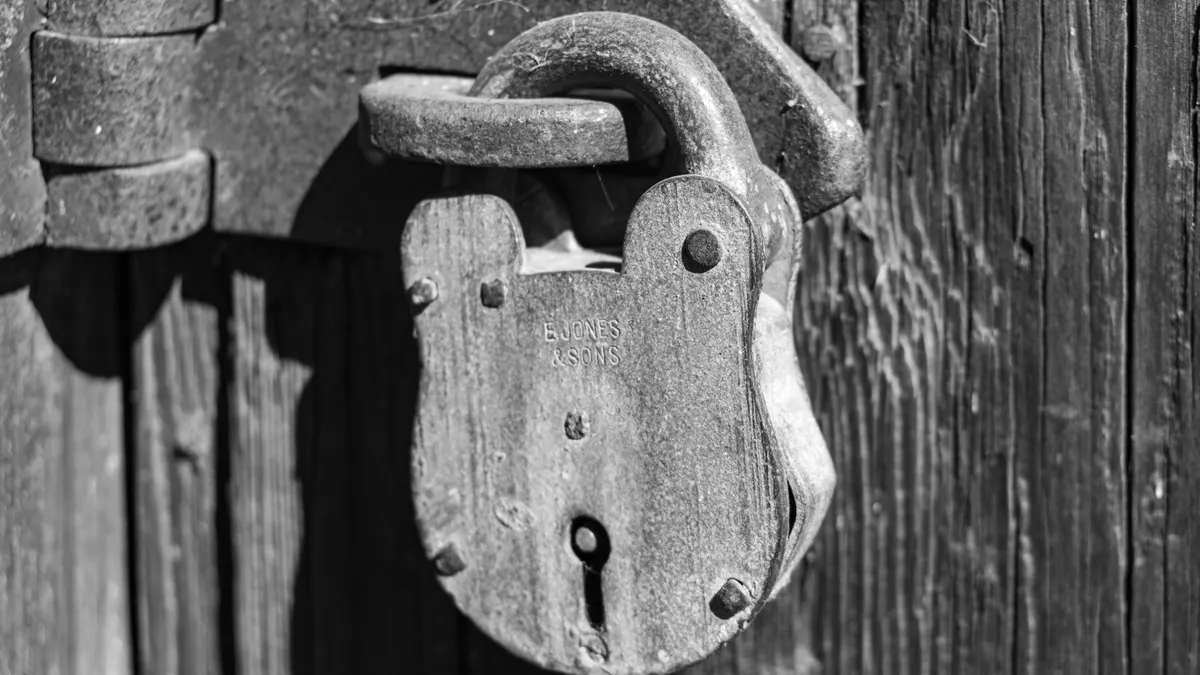
Call or message the landlord immediately, then send a written repair request the same day so there is a record. If the lock sticks, spins, won’t latch, or the key no longer turns, treat it like a security defect, not a minor annoyance, and consult a professional if you are unsure whether the door is safe to use. A front door that does not secure properly can leave you exposed within hours, not days, so ask a qualified locksmith or property manager to assess it promptly. In a 2023 CPSC fire-safety reminder, the agency noted that a clear exit and working door hardware matter in emergencies.
Use a simple format: the door, the exact problem, the date you noticed it, and what you want fixed. “The deadbolt on the back door will not fully engage” is better than “the lock is bad.” If you can, include a photo or short video. Keep the timestamp on the file, and save screenshots if you text or email.
If the landlord is reachable by phone, call first, then follow with writing. A phone call tells them the unit has a real problem; the written message gives you proof later. If the building uses a maintenance portal, submit there too and save the confirmation page. For a repair request, the paper trail matters more than the tone.
If the unit feels unsafe because the door no longer locks, do not wait for a friendly response. Ask for urgent repair service the same day and note that the door hardware is a safety issue. If you cannot secure the home, that changes the risk from inconvenience to possible unauthorized entry, so you should consult a professional if the door cannot be made secure quickly.
Can you change the locks if your landlord won’t fix a broken lock?
You can sometimes change the lock, but you should not treat that as an automatic right. In many rentals, the lease controls whether you may replace door hardware, and the landlord usually still has a right to access the unit in an emergency or for lawful entry with proper notice. A tenant who swaps a lock without telling the landlord can create a second problem on top of the first one. If you are unsure, consult a professional before acting.
The practical rule is simple: if you change the lock, use the least disruptive fix that restores security, keep the old hardware, and give the landlord a key if the lease or local law requires one. A common mistake is replacing the entire lockset when a rekey or cylinder swap would solve the problem for less money and less conflict. A lock cylinder is often the part that wears out; the deadbolt housing may still be fine.
Do not change the locks to punish the landlord or to keep them out. That can backfire fast if the lease says you must provide access, or if an emergency repair becomes necessary. It can also create a record that you interfered with entry rights, which is the opposite of what you want when you are trying to document a broken lock repair.
A safer approach is to notify the landlord in writing that the lock is broken, that you need a prompt fix, and that if it is not repaired by a stated date you will take steps to secure the door and preserve all access rights. That message is not legal advice, but it shows reasonableness and gives you a clean record. For state-by-state notice rules, consult your local housing agency or a tenant-rights clinic before changing anything.
For broader repair strategy, this fits into the rental repairs hub, where the wider rules around notices and repair escalation belong.
Which fix makes sense: repair, rekey, or full replacement?
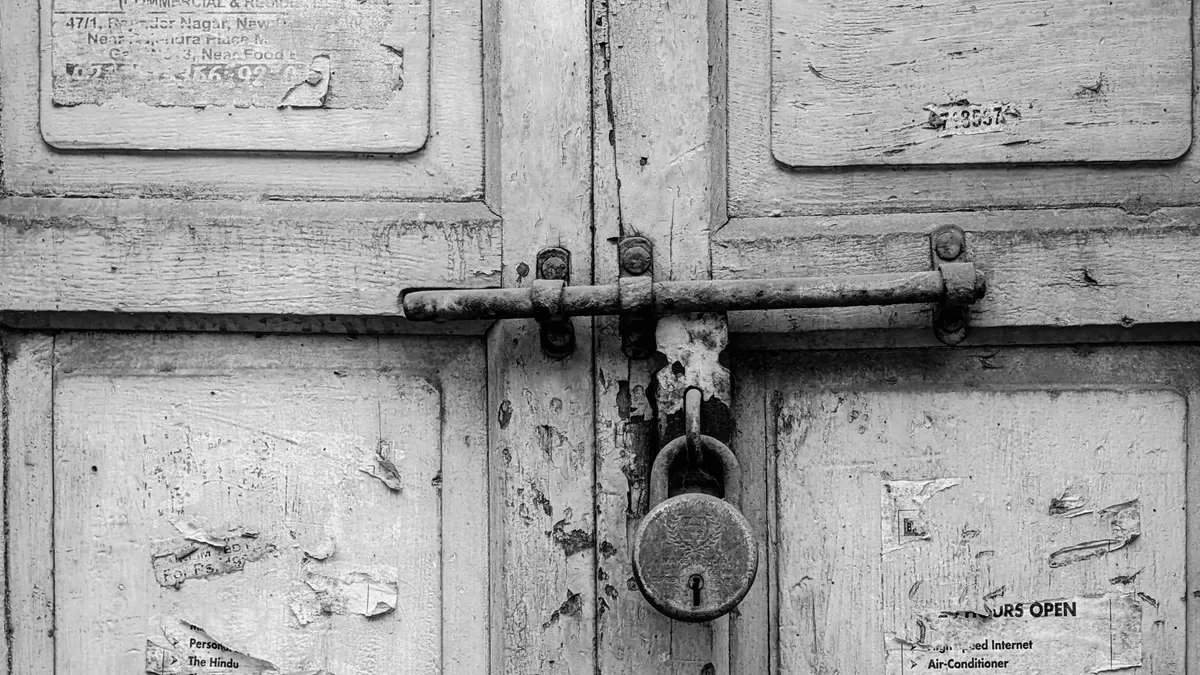
Repair is the first choice when the lock body still works and one part has failed. A locksmith may be able to replace a worn cylinder, tighten the strike plate, or realign the deadbolt in under an hour. If the key turns but the bolt drags, the issue may be with the door hardware, not the lock itself. That can be a simple adjustment rather than a full replacement.
Rekeying makes sense when the hardware is fine but the key is the problem, such as after a lost key, a former occupant’s access issue, or a cylinder that has become unreliable. Rekeying changes which key operates the lock without replacing every visible part. It is often the cleanest fix when the landlord wants to preserve the existing hardware and appearance.
Full replacement is the right move when the lock is cracked, the mechanism is stripped, the key is bent or broken inside, or the hardware no longer lines up with the door. If the door sagged and the deadbolt no longer meets the strike plate, a new lock alone may not solve the issue. The door may need adjustment as well.
A common trade-off is speed versus compatibility. A quick replacement can restore security the same day, but the new lock may need to match the door thickness, latch bore, or deadbolt backset. If the wrong model is bought, the hardware may not fit. That creates another delay and another trip to the store.
If you are choosing the fix yourself, bring the old lock to the hardware store or read the faceplate and backset measurements before buying. Standard residential deadbolts are commonly 2-3/8 inch or 2-3/4 inch backset, but you still need to match the actual door. A mismatched backset is a small error that can make the whole job fail. For product specs, check manufacturer pages from Schlage or Kwikset before you buy.
How to document the broken lock repair request
Document the problem as soon as it appears, then document every follow-up until the lock works. The goal is not drama; the goal is proof. If the landlord later says they never knew, you want a clear record that they did.
Use this procedure:
-
Photograph the lock from 2 angles. Show the keyhole, the deadbolt, or the strike plate, and include the whole door in one shot. The result should be a set of images that shows both the defect and the location.
-
Write one short message with date and time. Say what failed, how it affects security, and what you want repaired. A message with the phrases “front door,” “broken lock,” and “repair request” is easier to search later.
-
Send it through 2 channels if possible. Email plus portal, or text plus email, gives you redundancy. You want more than one record in case one inbox disappears.
-
Save proof of delivery. Keep the sent email, the portal confirmation, or the text thread. A screenshot is useful if the message app shows the date and time.
-
Follow up in 24 to 48 hours if there is no response. Keep the tone factual. A short follow-up shows the issue was not a one-off complaint.
-
Log every visit and promise. Write down the date, the name of the person who responded, and what was promised. If a locksmith appointment is scheduled and missed, note that too.
This record matters if you later need to justify replacing the lock, asking for reimbursement, or showing that the landlord ignored a known safety issue. A vague complaint is easy to deny. A dated paper trail is harder to brush aside.
If you replace the lock yourself, do it the right way
If you replace the lock yourself, keep the old hardware, match the door measurements, and preserve the landlord’s lawful access. This is the section where small mistakes become expensive, because a door is one of the few things that has to work every time.
Start by checking whether the lease prohibits tenant-installed hardware changes. If it does, ask for written permission before you buy anything. If the lease is silent, use the least invasive option that restores security. A simple lock cylinder swap or deadbolt replacement may be enough; changing the whole handle set is only necessary if the hardware is damaged.
Before buying, measure the backset, the bore hole, and the door thickness. Residential doors often use a 2-1/8 inch bore hole, but that is not universal. Bring a ruler or tape measure and compare the old parts to the package. A lock that almost fits is still a lock that wastes your evening.
When you install it, keep the old screws, latch, and strike plate in a labeled bag. If the landlord wants the original hardware back, you will not have to search through a junk drawer. Tighten the strike plate screws into the framing if needed, because a weak strike plate can make a good lock fail.
Then tell the landlord, in writing, that you secured the door and are ready to provide access as required. If the lease or local rules require a copy of the key, give one promptly and keep proof that you did. A tenant who changes the lock and refuses to share access can create a new dispute even when the original complaint was valid.
Do not make the door harder to use in an emergency. A heavy keyed deadbolt with no working latch is a bad fix. The right result is simple: the door closes, locks, and opens normally with the correct key.
For a basic, manufacturer-level overview of common lock parts and installation tolerances, Schlage and Kwikset both publish hardware guidance that can help you identify backset and door thickness before you buy.
When changing the lock is a bad idea
Changing the lock is a bad idea when the problem is really the door, the frame, or the landlord’s right to enter. If the deadbolt does not meet the strike plate because the door sags, a new lock will not solve the underlying misalignment. If the issue is a broken frame, swollen wood, or a warped door, the hardware change may only hide the defect for a week.
It is also the wrong move if you are trying to use the lock to deny lawful access. The landlord may still have a right to enter for repairs, inspections, or emergencies under the lease and local law. A tenant cannot usually convert a broken lock complaint into a private fortress.
If you are in a unit with a history of emergency access needs, or if there is a serious safety concern that could require quick entry, ask a locksmith or property manager how the landlord will retain access after the repair. That conversation can prevent a second emergency. A spare key in a sealed, documented system is often better than an untracked copy floating around.
Do not spend money on a brand-new high-security model if you are planning to move soon or if the landlord is already arranging a repair. In that case, you may never recover the cost. A short-term fix should be short-term.
The honest line is this: if the broken lock is only one piece of a bigger door problem, or if your lease clearly limits tenant changes, changing the lock yourself can create more risk than it removes. In those cases, the better move is to press for prompt repair and keep the record clean.
Can I replace a broken lock myself?
You can sometimes replace a broken lock yourself if the lease allows it and the job is limited to standard door hardware. A simple knob or deadbolt swap on a typical residential door is within reach for many tenants. Keep the old lock, match the measurements, and tell the landlord what you changed so access rules stay clear.
Do I have to give the landlord a key?
Usually, yes, if the lease or local rules require lawful entry rights and the landlord asks for one. A tenant who changes the lock is often still expected to preserve access for emergencies and proper notice. The safest approach is to provide a key or other agreed access method and keep proof that you did.
What if the lock makes the unit unsafe?
If the lock makes the unit unsafe, treat it as an urgent repair request and escalate in writing right away. A door that cannot secure the home is a safety issue, not a cosmetic defect. If you must secure the door yourself while waiting, do the minimum needed to restore normal locking and keep the landlord informed.
Drafted with AI; not yet reviewed by a person.