Last updated: August 11, 2026
- State rules also vary on whether a tenant may spend $100, $300, or more before the deduction is capped.
- For rent withholding repair-and-deduct: which states allow each, the details do the heavy lifting.
- How Rent Withholding and Repair-and-Deduct Actually Work (and Why Most People Miss It) Same problem.
- With repair-and-deduct , you pay a contractor or repair person, then subtract the cost from rent.
Quick Answer: In rent withholding repair-and-deduct: which states allow each, the safe answer is not all of them. Some states allow rent withholding, some allow repair-and-deduct, and many narrow both with notice rules, dollar caps, or habitability standards. Miss the state-specific steps, and a repair remedy can slide into a nonpayment problem.
When a landlord ignores a serious repair, the real question is blunt: can you stop paying rent, or fix the problem yourself and subtract the cost from rent? Sometimes, yes — but only if your state law allows it and you follow the procedure exactly. For rent withholding repair-and-deduct: which states allow each, the details do the heavy lifting. One missed step, and you may have an eviction problem instead.
I’m going to give you the practical version: which states generally allow rent withholding, which states generally allow repair-and-deduct, how the two remedies differ, and how to tell whether you can use either one safely. This is legal information, not legal advice, so if your situation is messy or you already have a notice to pay or quit, I would talk to a local tenant lawyer or legal aid office before you act. For state-specific rules, check your state housing agency or tenant rights guide.
How Rent Withholding and Repair-and-Deduct Actually Work (and Why Most People Miss It)
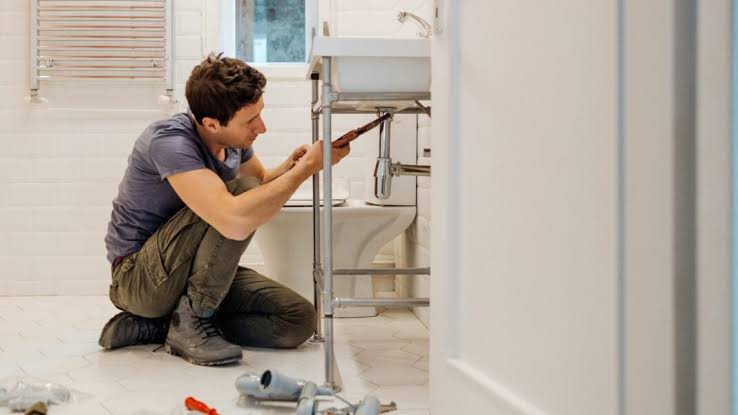
Same problem. Two fixes. With rent withholding, you keep the rent in your pocket until the landlord fixes a serious habitability problem. With repair-and-deduct, you pay a contractor or repair person, then subtract the cost from rent.
Because both remedies tie back to habitability, the defect has to be serious. A broken dishwasher usually does not count. No heat, leaking sewage, exposed wiring, or a failed lock often does. HUD’s housing-quality standards are a useful benchmark; they focus on heat, water, electricity, and safety. Simple enough. Not easy.
Here is the visual difference:
| Remedy | What you do | What the law usually cares about | Main risk |
|---|---|---|---|
| Rent withholding | Stop paying some or all rent | Serious habitability defect; proper notice; landlord’s failure to fix | Eviction if the state does not allow it or if the defect is not legally serious |
| Repair-and-deduct | Hire someone to fix the problem and deduct the cost from rent | Serious defect; written notice; cost and repair limits in some states | Landlord claims the repair was unnecessary, too expensive, or unauthorized |
The key here is the paper trail — notice, photos, dates, and repair invoices. This is what separates a lawful tenant remedy from a rent dispute that looks like nonpayment.
A generic article can make it sound like the only question is “Is the landlord failing to repair?” Not quite. The better question is: Does my state allow this remedy, and can I prove I followed the steps?
Which States Allow Rent Withholding: The States, the Exceptions, and the Trapdoors

Rent withholding is the harder remedy to use, because not every state gives tenants an explicit right to do it. In some places, the right comes from statutes. Elsewhere, it comes from court decisions. And in a few states, the safer move is to pay rent and sue separately, or use a local housing-code complaint process.
Here is the practical map I would use:
| State group | General rule on rent withholding |
|---|---|
| States that generally allow it by statute or recognized tenant-rights doctrine | California, Connecticut, District of Columbia, Hawaii, Illinois, Iowa, Massachusetts, New Hampshire, New Jersey, New Mexico, New York, Rhode Island, Vermont, Washington, Wisconsin |
| States where withholding may exist only in limited circumstances, local rules, or court-recognized defenses | Several other states use habitability defenses or escrow-type procedures rather than a broad withholding right |
| States where tenant self-help is risky without a lawyer’s guidance | Many states require strict notice, a court process, or a repair order before withholding becomes safe |
I’m listing the first group as the places most commonly recognized for some form of rent withholding, but I would still verify the exact rule for your city and lease. State law can be narrower than tenant guides make it sound. Much narrower.
The correct way to think about withholding is this:
- Identify a serious habitability defect.
- Give written notice to the landlord.
- Wait the required time for repair.
- Keep proof that the landlord knew and did not act.
- Withhold only as much rent as the law permits, if your state allows partial withholding.
- Be ready to pay into court or escrow if your state or judge requires it.
The key here is the waiting period — notice without time to cure is not enough. If you are unsure how long to wait, consult a local tenant lawyer or legal aid office and check your state landlord-tenant law before you act. That is what separates a careful tenant from someone who simply stopped paying.
Want a reliable source to check your state rule? Start with your state bar association or legal aid office, and look for the tenant-rights pages from the agency that handles housing in your state. The Legal Services Corporation and HUD both link to state-level help.
The Correct Way to Use Repair-and-Deduct — Step by Step
Repair-and-deduct sounds simple, but the legal version is picky. In many states, it works only after you give notice and only up to a dollar cap or rent cap. In some places, it is available only for urgent repairs. In others, it may not be allowed at all. State rules also vary on whether a tenant may spend $100, $300, or more before the deduction is capped.
Here is the cleanest version of the process:
- Write down the defect. Check: date, location, what is broken, and how it affects livability. Do not: describe only inconvenience, like “the apartment is ugly.”
- Give written notice to the landlord. Check: use email, portal, or certified mail if your state prefers proof. Do not: rely on a phone call alone.
- Wait the required time. Check: your state may require a reasonable period or a specific number of days. Do not: schedule the repair the same day unless the law allows emergency action.
- Get a second opinion on cost if possible. Check: compare one or two quotes for a non-emergency repair. Do not: hire the priciest contractor without explanation.
- Use a licensed or competent repair person when the job requires it. Check: keep the invoice, receipt, and description of work. Do not: try a DIY fix on plumbing, electrical, or structural problems if safety is involved.
- Deduct only the amount the law allows. Check: include the receipt and a short cover note with your rent payment. Do not: subtract extra money for inconvenience, missed work, or your own labor unless your state explicitly allows it.
- Keep a full file. Check: photos before and after, notice, delivery proof, invoices, and your rent ledger. Do not: assume the landlord will remember the problem later.
The key here is the invoice line item — notice how it names the repair and the amount. This is what separates a legitimate deduction from a guess.
For a reader who wants the source material, the U.S. Department of Housing and Urban Development’s housing-quality information is a useful place to begin, and state legal aid sites often explain the local repair-and-deduct rules in plain language.
Before vs. After: What Good Rent Withholding and Repair-and-Deduct Actually Looks Like

A strong case file has a shape. A weak one looks like frustration and missing dates. I can show the difference without pretending there is one universal form.
Before: the weak version
- The tenant sends one angry text.
- No photos are dated.
- No deadline is given.
- The repair is cosmetic or arguable.
- Rent is withheld or deducted anyway.
- The landlord says, “You never told me.”
After: the strong version
- The tenant sends written notice that names the defect.
- Photos show the defect and the date.
- The landlord gets time to fix it.
- The tenant keeps paying unless the state allows withholding and the defect is serious.
- A repair invoice matches the problem.
- The tenant keeps enough rent money set aside to cover a dispute.
Here is the comparison in a tighter view, and you should still consult a local lawyer or legal aid office if your state’s notice rules are unclear:
| Item | Good file | Bad file |
|---|---|---|
| Notice | Written, dated, delivered in a provable way | Oral complaint only |
| Defect | Health/safety or habitability issue | Purely cosmetic issue |
| Timing | Landlord had a fair chance to cure | Tenant acted immediately |
| Amount deducted | Matches actual repair cost and legal limit | Rounded up or includes unrelated costs |
| Records | Photos, receipts, copies of letters | Memory and text fragments |
The key here is the timeline — notice first, repair or withholding second. This is what separates a tenant using a legal remedy from a tenant creating evidence against themselves.
This is also where people get burned by “my friend did it.” Two tenants can have the same leak and different legal outcomes if their states handle these remedies differently or if one tenant skipped notice. The law cares less about what feels fair than about whether the paperwork lines up.
The Detail Everyone Gets Wrong: Serious Defects, Not Every Annoyance
This is the hinge point. Rent withholding and repair-and-deduct usually exist for habitability problems, not every bad condition in a rental.
A broken oven may matter. A broken mailbox usually does not. A window that will not lock may be serious. A scuffed countertop usually is not. The line is often whether the problem affects safety, sanitation, heat, water, electricity, or the legal use of the unit.
This sounds obvious until a tenant starts grouping every complaint into one pile. A lot of tenant guides blur that line, so I would confirm the issue with local legal aid or a housing lawyer before you act. Honestly, that step can save a headache.
The most common mistakes I see in tenant guides are these:
- Treating ordinary maintenance as a habitability defect.
- Withholding all rent when partial withholding would be the only defensible amount.
- Skipping written notice.
- Ignoring state-specific cost limits for repair-and-deduct.
- Forgetting that an eviction notice can change the risk profile immediately.
Here is the practical test I use in my head: If a housing inspector would likely cite it, you may have a serious issue; if it is only annoying, you probably do not. That is not a perfect rule, but it is much safer than assuming every repair qualifies.
I would also be careful with emergencies. If there is active flooding, exposed wiring, gas odor, or no heat in dangerous weather, call the appropriate emergency service or utility contact first, then notify the landlord in writing. A legal remedy is not a substitute for safety.
Which States Allow Each Remedy, and How to Check Yours Fast
No clean national list saves you from checking your own state. The law is too local. But the fastest way to sort yourself is simple:
- Look up your state tenant rights page. Check: whether “rent withholding,” “repair and deduct,” “warranty of habitability,” or “escrow” is mentioned. Do not: rely on a forum post.
- Find the notice rule. Check: how notice must be delivered and how long the landlord has to fix the issue. Do not: assume a text message is enough.
- Check repair limits. Check: any dollar cap, rent cap, or emergency-only rule. Do not: spend freely and hope the landlord reimburses you.
- See whether rent withholding must go through court or escrow. Check: whether you must deposit rent with a court, agency, or third party. Do not: hold the money without knowing where the law wants it.
- Compare the defect to habitability standards. Check: heat, water, electricity, mold, pests, plumbing, locks, and structural safety. Do not: assume all maintenance items count.
- Get local help before the first missed rent payment if possible. Check: legal aid, tenant union, or a housing lawyer. Do not: wait until the eviction filing lands on your door.
For authoritative sources, I would check:
– the U.S. Department of Housing and Urban Development: https://www.hud.gov/
– the Legal Services Corporation: https://www.lsc.gov/
– the state housing office or state bar association where you live
If you want a quick bottom line, this is it: repair-and-deduct is often easier to use safely than rent withholding, but only if your state allows it and you keep your costs and notice airtight. Rent withholding can be powerful, but it is also the easier one to get wrong.
FAQ
Can I just stop paying rent if my apartment has a serious repair problem?
Sometimes, but not automatically. You usually need a serious habitability issue, written notice, and a state that allows withholding or a related legal defense. If your state does not allow it, stopping rent can trigger eviction.
Is repair-and-deduct safer than withholding rent?
Often yes, because you can show the repair was real and the money went to fix the problem. Even then, you still need to follow state notice rules and any cost limits.
Do cosmetic problems qualify?
Usually no. Paint issues, worn carpet, and other cosmetic defects are often not enough by themselves. Habitability problems are the core of these remedies.
What if my landlord says I never told them?
That is why written notice matters. Keep copies of emails, letters, portal messages, delivery receipts, and photos with dates.
Can I use both remedies at once?
Sometimes a tenant can repair a serious issue and still raise withholding or abatement arguments, but that gets technical fast. I would get local legal help before combining remedies.