Last updated: August 11, 2026
Quick Answer: In most places, a landlord cannot legally force you out without proper notice and a court process, and a self-help lockout or utility shutoff can trigger emergency relief in days, not weeks. Facing an illegal eviction tactic? Document it immediately, then contact a tenant-rights group, legal aid, or a housing attorney.
Key takeaways:
– Illegal eviction tactics often include lock changes, utility shutoffs, property removal, harassment, and threats.
– A landlord notice is not the same as a court order.
– If the landlord already changed the locks, call for help the same day.
– Deadlines can move fast, and some notices allow only 3, 5, 7, or 30 days depending on local law.
– The best next step is usually to verify the paper, preserve evidence, and get local legal advice.
Trying to get someone out by force? Bad move. When a landlord is trying to push you out without going through the legal eviction process, the answer is simple: they cannot make you leave by intimidation, self-help, or tricks. “Illegal eviction tactics” usually means a landlord is trying to remove a tenant without proper notice, a court order, or lawful execution of that order.
I’m focusing on the part that actually matters: how to tell when a landlord’s move is illegal, what to do next, and when the normal advice changes because your situation is different. I’m not your lawyer, and eviction law depends on where you live, so when you are in the middle of this, check your local tenant-rights group or a housing attorney fast.
What Actually Makes an Eviction Illegal
Three steps. That is the usual path. When your landlord wants you out, the legal route usually has proper notice, a court case if you do not leave, and a lawful removal only if the court authorizes it. Skip one piece, and the landlord is likely crossing the line.
Because that path matters, the most common illegal eviction tactics are the ones that try to pressure you into leaving on your own:
- changing the locks while you are out
- shutting off water, heat, electricity, or gas
- removing your doors, windows, or belongings
- threatening you, your guests, or your family
- using harassing phone calls, texts, or surprise visits to wear you down
- blocking access to the unit
- taking your property and holding it hostage
- pretending a notice is the same thing as a court order
No court order? Then “you have to go now” is usually just noise. A landlord can serve a notice, but notice is not the same as eviction. A sheriff, marshal, or other authorized officer is usually the one who carries out a lawful lockout after the court process is complete.
Here is the core rule I would keep in mind: a landlord can ask, demand, and file; they generally cannot personally force you out.
| Situation | Best Path | Why Other Options Fail |
|---|---|---|
| Locks changed, utilities cut, or belongings removed | Treat it as a possible illegal lockout, document everything immediately, and consult a tenant lawyer or legal aid if you can | Waiting gives the landlord more time to deny it or dispose of property |
| You got a notice to vacate but no court papers | Do not assume you must leave instantly; check the notice type and deadline with local legal aid or a housing attorney | Leaving too early can cost you leverage, rent claims, or relocation help |
| A sheriff posted a final writ or order | Prepare for a lawful removal and ask about last-minute rights from a lawyer or court help center | Ignoring a court order can make the outcome worse |
| The landlord is threatening you but not touching the unit | Preserve evidence and avoid escalating alone; consult a housing lawyer if the threats continue | Arguing on the spot can turn into a “he said, she said” problem |
| The landlord took your stuff | Demand a written inventory and ask a tenant-rights group or lawyer about storage rules right away | Self-help recovery can create trespass or breach-of-peace issues |
If you want a solid legal baseline, the U.S. Department of Housing and Urban Development has tenant resources here: https://www.hud.gov/topics/rental_assistance/eviction. For court-process basics, many state court websites also explain eviction procedure in plain language, and the Legal Services Corporation’s Find Legal Aid tool can help you find local help: https://www.lsc.gov/about-lsc/what-legal-aid/find-legal-aid.
Quick check: No court process? Or pressure instead of a lawful removal? You are probably dealing with an illegal eviction tactic.
If Your Landlord Changed the Locks or Cut Utilities

You come home, and the key fails. That is urgent. Same story if the heat, water, electricity, or gas has been cut off. These are classic self-help tactics, and they are often illegal when used to force a tenant out.
Start collecting proof right away.
- Take photos and video of the lock, door, utility meters, shutoff notices, and any damage.
- Save every text, voicemail, email, and paper notice from the landlord.
- Write down the date, time, and exact words used by the landlord or property manager.
- Call local police or non-emergency enforcement if you are locked out and have no court-ordered removal; ask for a report number.
- Contact a local tenant union, legal aid office, or housing lawyer the same day.
- Ask your city housing department whether there is an emergency lockout complaint process.
- Keep receipts for hotel stays, spoiled food, replacement keys, and temporary storage, because some of those losses may matter later.
Do not quietly “fix” the landlord’s move on your own without advice. If the landlord left you outside, do not let them turn it into a dispute about your behavior. Stick to the facts: you were locked out, the landlord did it, and there was no lawful removal process you know of.
The legal remedy can differ by location. In some places, tenants can ask for emergency court relief, back access, damages, or both. In others, you may need to file a tenant petition or emergency motion quickly. When you are in a lease, your lease terms help, but they do not usually give the landlord permission to use self-help.
A practical limit exists here. If there really was a lawful writ or law-enforcement-assisted eviction, the answer changes. At that point, the issue is not “illegal lockout,” it is whether the court process was valid and whether the landlord followed it exactly.
Quick check: Lock change or utility shutoff meant to force you out? Treat it like an emergency and document everything before you argue the merits.
Illegal Eviction Tactics Landlords Cannot Legally Use to Harass You Out
Sometimes the pressure is quieter. When the landlord is trying to make you leave without formally evicting you, harassment is often the tool. And when the goal is to make your life unpleasant enough that you move, the conduct may still be illegal even if the landlord never says the words “you’re evicted.”
The line usually gets crossed when the conduct is designed to interfere with your use of the home. Repeated unannounced entry, banging on the door late at night, threatening text chains, false accusations to neighbors, or taking away services the landlord controls can all fit.
Use this path if the landlord is still leaving you in the unit but making daily life miserable:
- Keep a log with dates, times, witnesses, and exactly what happened.
- Save screenshots of texts, emails, call logs, and voicemail messages.
- Check your lease and local law for entry rules, notice requirements, and quiet enjoyment rights.
- Send one calm written notice that you want all communication in writing and that you object to unlawful entry or harassment.
- Report unsafe conduct to housing code enforcement, a tenant board, or the landlord-tenant court if your area has one.
- If there are threats, stalking, or physical intimidation, contact police and ask about a protective order or harassment complaint.
- Talk to legal aid before withholding rent or breaking the lease, because that move can backfire if you do it wrong.
A lot of generic advice says “just document it.” Not enough. Patterns matter. One rude text may not carry much weight. A chain of entries, threats, and service cutoffs usually tells a much stronger story.
If you need a reference point for tenant rights and fair housing issues, the National Housing Law Project is a useful organization to know, and many state attorney general offices also explain landlord-tenant retaliation rules. I would also look at your state or city housing department, because local ordinance often matters more than generic internet advice.
The trade-off here is emotional energy. Harassment cases can drag on, and some tenants feel forced to choose between staying and protecting their sanity. That is real. When you are close to breaking, ask a lawyer whether filing first, moving out with a written reservation of rights, or negotiating a cash-for-keys deal is smarter in your state.
Quick check: Not a lockout, but threats, entry, or service interference? You are likely dealing with harassment and retaliation, not a simple notice problem.
If You Get a Notice, but It Is Not a Court Order
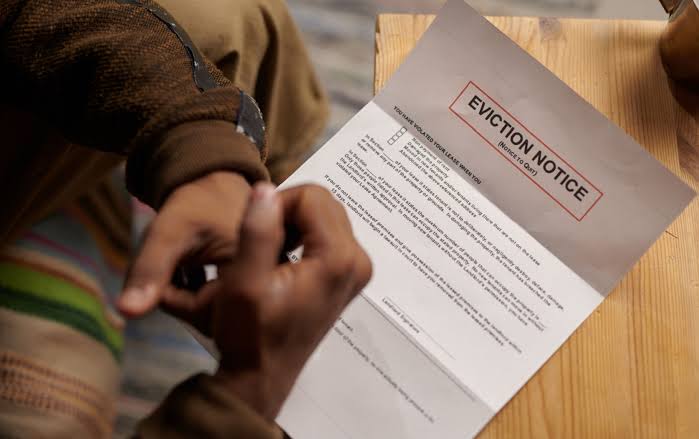
A notice to quit, pay rent, cure a violation, or move out does not end the matter by itself. Your next move depends on what kind of notice it is. When the paper is just a landlord notice, then it usually starts the process; it does not finish it.
This is where people get burned. They see a formal-looking letter and assume the law is already against them. Sometimes the notice is valid. Sometimes it is defective. Sometimes it is a bluff.
Handle it this way:
- Read the notice line by line and identify the reason given.
- Check the deadline and whether the date is actually correct.
- Look for required language: name, address, amount owed if any, and what the landlord says you must do.
- Compare it with your lease and local notice rules.
- Start saving proof that the reason is wrong, exaggerated, or retaliatory.
- Respond in writing if you are disputing the claim or curing a problem.
- Do not ignore court papers if they arrive later, because that is a separate stage.
If the notice says you owe rent, then check whether you can pay, partially pay, or negotiate before the deadline. When the notice says lease violation, then ask whether the alleged violation is fixable and whether your jurisdiction requires a chance to cure; in cases like that, consult a housing lawyer or legal aid before making assumptions. If the notice is for “no cause” or month-to-month termination, then the question becomes whether the notice period is long enough under local law.
A lot of bad advice tells people to “wait for the sheriff.” Too late in some places. You may lose the chance to contest a bad notice or raise defenses early. On the other hand, overreacting to a defective notice can also hurt you if you give up rights you had.
For a reliable general overview of tenant rights, the Legal Services Corporation’s Find Legal Aid tool is worth using: https://www.lsc.gov/about-lsc/what-legal-aid/find-legal-aid. It can help you find local advice fast, which matters because eviction deadlines move quickly.
Quick check: Only received a landlord notice, not a court eviction order? You still have time to check the paper, the deadline, and your defenses.
What to Do If the Landlord Has Already Removed You
Already out? Then the fight shifts. You are no longer just trying to stop the eviction; you are challenging the illegal removal and trying to recover losses. When they removed your things, changed the locks, or forced you to leave without a lawful process, act quickly.
Evidence first. Fairness arguments can wait.
- Get the landlord’s statements in writing if possible, even if only by text.
- List every item missing, damaged, or destroyed.
- Photograph the condition of the unit, curb, dumpster, storage area, or wherever your property was left.
- Ask for a written inventory of belongings and where they are being held.
- Check whether local law requires the landlord to store property for a certain period.
- File an emergency complaint, police report, or court motion if your area allows it.
- Keep rent records and your lease, because they may matter in any later damages claim or defense.
If you can get back in safely and lawfully, ask before you do it. In some places, self-help reentry can create new problems. If you cannot get back in, ask a lawyer whether the proper remedy is an emergency injunction, damages action, or housing-court complaint.
The hard truth is that once belongings are gone, recovery gets messier. You may still have claims, but proving the value of personal property is a fight. That is why I keep coming back to documentation. If the landlord destroyed or discarded your property, you need a clean paper trail.
One honest limitation: not every unlawful lockout results in a quick fix. Sometimes the best outcome may be financial compensation rather than an immediate return to the unit. Frustrating, yes. Still better than going in blind and losing the record.
Quick check: Already locked out or removed? Focus on proof, property lists, and emergency relief instead of trying to “explain it all later.”
Edge Cases Where the Normal Advice Breaks Down
Some situations change the answer fast. When any of these fit you, the usual “just document and call legal aid” advice is not enough.
-
Situation: You live with the landlord or rent a room in the landlord’s home.
What changes: Some places give live-in owner-occupancy arrangements different rules.
What to do instead: Read the local statutes carefully and get advice before you assume a standard eviction process applies. -
Situation: You are in a hotel, short-term stay, or informal sublet.
What changes: Tenant protections may be weaker or different, and the legal status of your occupancy may be disputed.
What to do instead: Gather proof that you are a tenant, not just a guest, and ask local legal aid how your jurisdiction classifies the arrangement. -
Situation: There is an actual court order, but the landlord is acting beyond it.
What changes: The fight is no longer about whether eviction is allowed; it is about whether the landlord exceeded the order or process.
What to do instead: Get the court papers, compare them to what happened on the ground, and consult a lawyer right away.
There is also a practical limit. If an officer is already present and the order is valid, the room for last-minute fixes may be small. Even so, the exact order matters, and a lawyer can sometimes spot a narrow defense, a timing problem, or a property issue that changes the next step.
Quick check: Unusual situation? Do not assume the standard illegal eviction playbook fits; verify the rule set before you act.
How to Respond Without Making the Situation Worse
Once you know the landlord’s move may be illegal, respond without handing over leverage. Keep your message short, factual, and written. If possible, send it by email and text so you have a record.
A strong response usually has four parts: what happened, why it is a problem, what you want next, and a deadline for reply. That might sound formal, but it does not need to be long. One page is often enough.
For a lockout, say that the locks were changed without a court order and that you want immediate restoration of access. For harassment, say that the conduct must stop and that you want all communication in writing. For a notice problem, state that you dispute the notice and are preserving your rights.
Then stop. Do not overexplain. Do not threaten something you cannot carry out. Do not mix unrelated complaints into the same message unless they are part of the same event.
A simple timeline helps too. Write down the date you got the notice, the date the lock changed, the first utility shutoff, or the first harassing message. Dates matter because eviction cases often turn on whether the landlord met a 3-day, 5-day, 7-day, 10-day, 14-day, or 30-day requirement.
If you can afford it, ask a lawyer whether you should pay under protest, tender the full rent, or wait for court. The right answer depends on the facts, and a bad move can create avoidable risk.
Quick check: Short written reply, dated log, local legal check. Safer than a long confrontation.
The Fastest Ways to Get Help
Local help is usually the quickest help. Tenant groups, legal aid, housing clinics, and city housing departments can usually tell you what deadline matters and whether you need to file something immediately.
When you are in danger of a lockout or utility shutoff, call the non-emergency police line, the housing inspector, or the emergency court clerk if your area has one. If you already have papers from court, bring them to a lawyer or legal aid office the same day. Many eviction deadlines are short enough that waiting even 24 hours can change your options.
You can also use the HUD eviction resource page and the Legal Services Corporation directory linked above to find help by ZIP code. If there is a local tenant hotline, write it down now. It is much easier to use a number you already have than to search for one while standing outside your unit.
If money is the barrier, ask whether the organization offers free advice, a brief intake call, or a walk-in clinic. Some places also have interpreter services, which matter if you need to understand a notice or court paper in plain language.
Quick check: When an eviction problem turns urgent, local help is usually faster and more useful than generic national advice.
What To Remember Before