Last updated: October 20, 2026
Key Takeaways
- A landlord may enter for repairs without your immediate yes only if the lease or law allows it and notice rules are met.
- Notice is often written, and 24 to 48 hours is common, but the exact rule depends on the lease and local law.
- Emergency entry is usually immediate only for urgent hazards, not routine repair checks.
- The best approach is to confirm notice, limit access to the stated repair, and document the visit.
Yes, in the context of Can a Landlord Enter to Inspect Repairs Without Permission?, a landlord can sometimes enter to inspect repairs without the tenant’s permission, but only when the lease and local law allow entry, proper notice has been given, and the visit is at a reasonable time unless it is an emergency. If those pieces are missing, the landlord usually does not get free access just because repairs are involved.
A repair inspection is not the same thing as a casual check-in. The landlord is there to confirm damage, assess whether a repair contractor needs to come back, or verify that work was completed. That purpose matters because privacy still applies. A tenant does not lose the right to quiet enjoyment just because a pipe leaked, a heater failed, or a contractor already visited.
If you need the broader repair process too, the rental repairs hub is the right place to start, then come back here for the entry rules.
Can a landlord enter to inspect repairs without permission?

A landlord can enter without your immediate, verbal permission only if the lease or local law gives that right and the landlord has followed the notice rule. In most places, “without permission” does not mean “without notice.” It usually means the tenant does not need to be home or say yes again at the door once lawful notice has been given.
The usual pattern is simple:
- The landlord gives written or otherwise valid notice under the lease or local rule, often for a repair inspection, a contractor visit, or follow-up work.
- The landlord schedules entry during reasonable hours, often daytime on a weekday, unless the lease says something different.
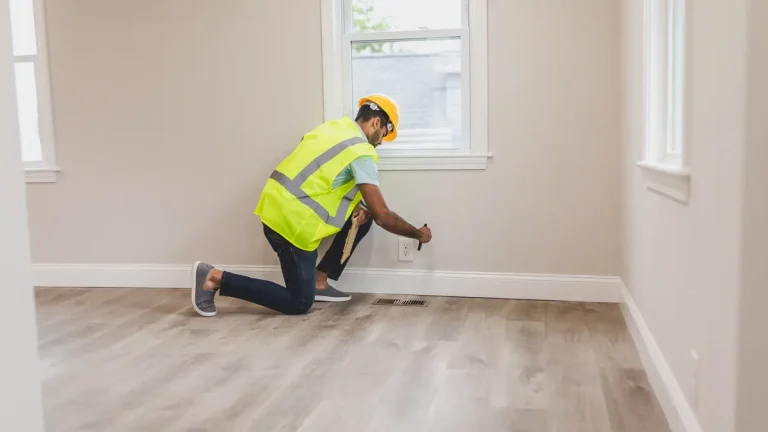
- The landlord or repair contractor enters for the stated purpose only, such as checking a leak repair, testing an appliance, or confirming damage has been fixed.
- The landlord leaves after the inspection and does not turn the visit into a general search of the unit.
A landlord who skips notice and shows up anyway may be acting outside the lease, even if the repair issue is real. A tenant who refuses every entry, on the other hand, can create delay and extra cost if the repair was properly noticed and truly necessary.
The key distinction is purpose. A repair inspection tied to a specific problem is easier to justify than a broad “check the apartment” visit. A landlord should not use repair access as a pretext to look through closets, drawers, or personal papers. That crosses from inspection into privacy trouble.
What notice is usually required before repair inspection entry?
Notice is usually required in writing, and 24 to 48 hours is a common window, but the exact rule depends on the lease and local law. Some leases spell out the notice period, the acceptable delivery method, and the hours for entry. Others defer to state or local landlord-tenant rules, which can be stricter.
For a repair inspection, the notice should ideally say all of the following:
- the reason for entry, such as plumbing inspection, HVAC follow-up, or water-damage review
- the date and approximate time window
- who is coming, such as the landlord, property manager, or repair contractor
- whether the tenant needs to be present
A vague note that says only “maintenance access” can be too thin to respect privacy, especially if the unit is occupied and the visit is not urgent. Specific notice helps the tenant plan around work, child care, pets, or medication schedules. It also reduces disputes about whether the landlord really entered for repairs or wandered in for another reason.
There is a real trade-off here. If the notice window is short, the landlord may be able to act faster on a leak or broken furnace. If the notice is too loose or the time window is too broad, the tenant’s privacy takes the hit. A balanced notice should be narrow enough to protect the tenant and specific enough for the repair contractor to do the job.
If the lease says entry can happen “on reasonable notice,” that phrase still needs a real-world meaning. A same-day text at 8 p.m. for a non-emergency inspection is usually harder to defend than a written notice for the next business day. If the lease and the law conflict, the stricter rule usually controls, but local rules vary. For guidance on repair access and notice, see the U.S. Department of Housing and Urban Development and your state tenant rights page.
When can a landlord enter right away for a repair problem?
A landlord can usually enter right away only in an emergency, not for a routine repair inspection. A burst pipe, active gas smell, sparking outlet, fire, or serious flooding can justify immediate entry because waiting for notice could make the damage worse or create a safety risk.
Emergency entry is the narrow exception that most readers care about because it explains why a landlord sometimes shows up fast and why the tenant may not get the usual 24-hour notice. But not every repair problem is an emergency. A dripping faucet, a broken cabinet hinge, or a loose tile is a repair issue, not a same-minute access event.
The best way to separate the two is to ask a practical question: can the landlord safely wait long enough to give notice without worsening harm? If the answer is yes, the normal notice rule usually still applies. If the answer is no, immediate entry is easier to justify.
A repair contractor may also need emergency access if the landlord authorizes it. For example, a plumber might need to shut off water quickly, or an electrician might need to isolate a circuit. Even then, the entry should be limited to the job at hand. Emergency access is not a blank check to inspect unrelated rooms or belongings.
Tenants should expect the landlord to explain the emergency later if no notice was possible. That explanation does not need to be dramatic, but it should be clear enough to connect the entry to the hazard. If a landlord calls everything an emergency, that is a warning sign that the entry rule may be getting stretched.
How to handle a repair inspection visit step by step
You handle a repair inspection best by confirming the notice, limiting the entry to the stated repair, and documenting what happened. That keeps the visit focused and gives both sides a record if the repair problem returns.
- Read the notice and lease side by side. Look for the stated purpose, the date, the time window, and any entry rule such as 24 hours or 48 hours. If the notice says “inspection,” make sure it is tied to an actual repair issue, not a general walk-through.
- Check whether the timing is reasonable. A weekday between 8 a.m. and 6 p.m. is easier to defend than a late-night visit, unless the lease says otherwise or there is an emergency. If the repair contractor needs a tighter window, ask for the narrowest workable time block.
- Prepare the unit for the stated repair. Clear access to the area being inspected, move fragile items away from the work zone, and secure pets. If the issue is under a sink, under a floorboard, or near a breaker panel, the easier the access, the shorter the visit. If the setup is unclear, consult a professional or local tenant resource about safe preparation, and see the HUD tenant guide for repair-access basics.
- Stay available if you can, but do not treat attendance as a legal requirement unless the notice or local rule says so. If you are away, leave written instructions for entry and ask for a photo or written summary of what the landlord or contractor found. If you are unsure about your rights, consult a professional or your state tenant agency.
- After the visit, write down what was inspected, what was repaired, and whether follow-up work is needed. Save texts, emails, and any contractor notes. If the repair involved a leak, appliance, or electrical issue, that record can matter later if the problem returns.
The cost of skipping documentation is confusion. A landlord may later say the inspection showed nothing, while the tenant remembers a different problem entirely. A simple written record avoids that fight. If the visit went beyond the repair area, note it in plain language the same day while the details are fresh.
This is also the point where tenant privacy matters most. A landlord can inspect a repair location without turning the visit into a search of the whole home. The repair contractor should not be opening drawers, looking behind personal storage, or checking rooms unrelated to the repair unless that is clearly necessary for the job.
What if the landlord shows up without notice anyway?
If the landlord shows up without notice and the situation is not an emergency, it is usually wise to ask for the reason for entry and the repair issue in writing. That gives you a clean record and forces the landlord to say whether the visit is based on a lease clause, a true emergency, or a misunderstanding.
Start with the facts:
- ask what repair problem requires entry
- ask who is entering, including any repair contractor
- ask whether written notice was already sent and where
- ask for a new appointment if the issue is not urgent
If the landlord still tries to enter, do not escalate into a confrontation at the door. A tenant who blocks entry physically can create separate problems, especially if the lease allows access after proper notice. A better move is to state that the visit is not authorized as scheduled and that you will cooperate with a properly noticed appointment.
The real cost of unnotified entry is trust. Once a landlord shows up unexpectedly for a repair inspection, every future notice feels less reliable. That can make even legitimate access harder because the tenant is now checking every message for hidden meaning.
If this keeps happening, the lease language and local law matter more than arguments at the doorway. A tenant can often request that the landlord use written notice only, confirm the repair purpose, and narrow the time window. A landlord who needs access for a real repair should be able to give that information in a few lines.
For the tenant, the line to watch is this: repair access is allowed for repairs, not for convenience. If the landlord is using repair work as cover for a broad inspection or repeated unannounced visits, the problem is no longer the repair itself.
How lease language changes the answer
The lease can make a big difference because it often sets the notice method, entry hours, and repair-access procedure. A lease may allow entry for repairs with 24 hours’ written notice, require entry only during business hours, or let the landlord bring in a repair contractor without separate tenant approval.
That said, a lease clause does not always override local law. If the lease says the landlord can enter whenever they want, that language may be unenforceable where tenant notice rights are protected by law. A lease can add detail, but it should not erase privacy entirely.
This is where many generic explanations go wrong. They act like every repair visit works the same way. It does not. A month-to-month tenant in one city may get a different notice rule than a tenant with the same lease wording in another state. The document on paper matters, but the local rule can still win.
Read the lease for three phrases:
- “reasonable notice”
- “reasonable hours”
- “repair, maintenance, or inspection”
Those terms often carry the whole dispute. If the lease uses them, the landlord’s power is not unlimited. “Reasonable” usually means tied to the purpose, the time of day, and the amount of disruption. A repair contractor entering at 10 a.m. for a leak is easier to justify than a random evening visit for a minor cosmetic issue.
Who this page is not for: a landlord looking for a loophole to enter more often, or a tenant hoping that any repair issue freezes all access. Repair access exists for a reason. Privacy still exists too. The real answer sits between those two.
The practical rule: repair access is allowed, but only on the right terms
The practical rule is that a landlord may inspect repairs without new permission only when notice, timing, and purpose line up. If the landlord gives proper notice, enters at a reasonable hour, and limits the visit to the repair issue, the entry is usually legitimate. If notice is missing, the timing is abusive, or the visit drifts beyond the repair, the tenant has a strong reason to object.
The cleanest test is this: could the landlord explain the entry in one sentence that names the repair, the date, and the notice given? If yes, the entry is probably on firmer ground. If no, the landlord may be relying on habit instead of a real access right.
For a full look at the wider repair process, the rental repairs hub should be the next stop.
Do I have to let the landlord in for repairs?
Yes, if the landlord gave proper notice and the entry is for a real repair or repair inspection under the lease or local law. If no notice was given and there is no emergency, you usually do not have to open the door on the spot. The exact rule depends on local landlord-tenant law, so check your lease and, if needed, get legal advice. See your state housing agency or legal aid office for local rules.
How much notice is required for entry?
The required notice is often 24 to 48 hours, but the actual rule depends on your lease and local law. The notice should say why entry is needed, when it will happen, and who will enter, including a repair contractor if one is coming. A vague or last-minute message is weaker than a clear written notice.
Can I refuse entry if I’m not home?
You can refuse unlawful entry, but not simply because you are away. If the landlord has given proper notice and the lease or local law allows the visit, your absence does not cancel the right to enter for repairs. If the notice is defective or the timing is unreasonable, you can ask to reschedule.
Drafted with AI; not yet reviewed by a person.