Last updated: August 11, 2026
- This eviction moratorium history: what changed what still applies article explains which rules ended and which 2026-era protections may still apply.
- – Many states still require written notice before filing, often 3, 5, or 10 days.
- The CDC’s nationwide order ended after the Supreme Court’s 2021 emergency litigation and later expiration of federal relief.
- In many places, those protections last 3, 5, or 10 days, not months.
Quick Answer: The broad COVID-era eviction moratorium is mostly over, but many renters still face 3 to 10 days of notice, local filing rules, and program-specific protections. This eviction moratorium history: what changed what still applies article explains which rules ended and which 2026-era protections may still apply.
Key Facts
– The federal CDC eviction order was temporary and is no longer the default rule.
– Many states still require written notice before filing, often 3, 5, or 10 days.
– Subsidized housing, vouchers, and public housing can have separate procedures.
– Deadlines are often counted in calendar days, not business days, unless local law says otherwise.
– Local aid, mediation, and right-to-counsel programs can still change the outcome.
– For a live case, verify the notice and call legal aid or a housing professional.
You can feel the shift in one detail: the old blanket pause is gone, but the paperwork is not. The broad pandemic-era bans are mostly over; tenant protections, notice rules, and local emergency measures still matter in plenty of places. The hard part is that the answer changes depending on your city, your lease, your reason for nonpayment, and whether you’re in subsidized housing. This eviction moratorium history: what changed what still applies guide focuses on those surviving rules.
What Changed From the Pandemic Moratorium Era
Remember the huge federal and state pauses on evictions during COVID? That is not the normal legal setting anymore. Those broad national rules were temporary emergency measures, not permanent tenant rights. Once the orders expired, most landlords could file or restart eviction cases again under ordinary state law. The CDC’s nationwide order ended after the Supreme Court’s 2021 emergency litigation and later expiration of federal relief.
But assuming “the moratorium ended, so nothing changed” misses the real story. What changed is the type of protection. The old model was simple: a blanket pause. The new model is patchwork: local rent assistance, notice requirements, mediation programs, sealing rules in some places, and specialized protections for certain tenants. In many places, those protections last 3, 5, or 10 days, not months. Short fuse. Different machine.
History matters, but the legal turn matters more. The pandemic era showed three things:
– emergency eviction bans can happen fast,
– courts and agencies can pause cases in limited ways,
– and once the emergency ends, normal landlord-tenant law comes back unless a new law says otherwise.
Here is the basic difference in plain English:
| Situation | Best Path | Why Other Options Fail |
|---|---|---|
| You think all evictions are still on hold | Check current state and city rules before assuming protection | The blanket federal moratorium is gone; assuming it still exists can cost you deadlines |
| You have a nonpayment case now | Focus on notice, deadlines, and local aid | Waiting for a moratorium that no longer applies usually makes things worse |
| You are in subsidized or public housing | Check program-specific rules, not just general state law | Housing authorities and federal programs can have separate procedures |
For the legal history from a reliable source, I would start with the CDC’s old emergency order archive and the U.S. Department of Housing and Urban Development’s eviction resources:
– CDC archive: https://www.cdc.gov/coronavirus/2019-ncov/covid-eviction-declaration.html
– HUD eviction prevention resources: https://www.hud.gov/topics/rental_assistance/eviction
Quick check: when you are asking “Is there still a nationwide moratorium?” the answer is generally no; when you are asking “Do any protections still exist for my case?” the answer may be yes.
The 3 Conditions That Change Everything

Don’t begin with the word “moratorium.” Start with three questions: where you live, what kind of housing you have, and why the landlord is trying to remove you. Those three facts usually decide the path.
Location comes first. State and city law can be stricter than general federal rules. Some places require extra notice before a landlord files. Some have tenant-cure periods, though you should consult a local legal aid office or housing attorney because the rules can vary by city and by notice type. If your area passed its own emergency protections, those may have expired, but the end date and scope are not always the same. One city’s shortcut is another city’s trap.
Housing type is next. Public housing, Section 8 voucher housing, project-based subsidized housing, and ordinary private rentals are not treated the same, so you should consult legal aid or a housing professional. A tenant in subsidized housing may have grievance rights, administrative steps, or extra notice periods that don’t exist in a plain private lease. Different bucket. Different rules.
Then comes the reason for eviction. Nonpayment cases are often handled differently from lease-violation cases, nuisance allegations, or owner-occupancy claims. If the issue is not rent, a rent-relief strategy may not help at all. That distinction matters because one deadline can be 3 days and another can be 30 days.
If you’re mapping your own situation, use this order:
- Identify your housing type: private rental, public housing, voucher, or other subsidy.
- Read the exact notice you received and the deadline on it.
- Check whether your city or state still has any tenant protections or filing rules.
- Separate “can the landlord file?” from “can the landlord win?” Those are not the same.
- Gather proof now: lease, notices, payment records, texts, emails, and any hardship documents.
- Call local legal aid or a tenant clinic before the court date, not after.
For a government starting point, the Consumer Financial Protection Bureau has practical eviction and rental-housing guidance, and legal aid networks can help you find local rules. The National Housing Law Project also tracks tenant-protection issues: https://nlihc.org/ and https://nhlp.org/
Quick check: when you can answer “where, what kind of housing, and why,” you can usually tell whether old moratorium logic applies to your case.
If You’re a Tenant Facing a Notice Right Now
Just got a notice? Then skip the nostalgia question. Ask, “What notice did I get, and what deadline does it start?” A lot of tenant mistakes happen in the gap between those two questions.
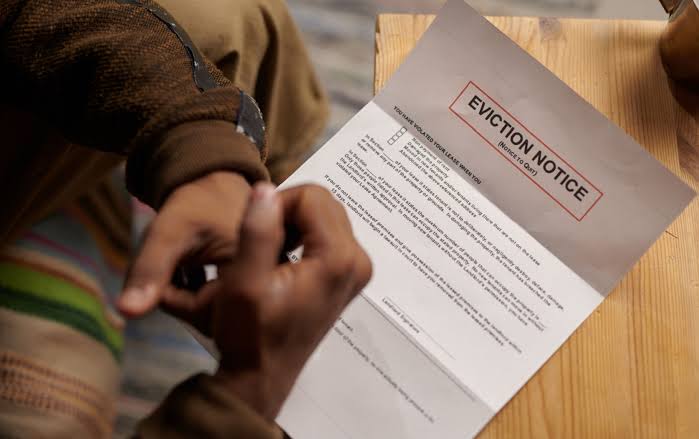
For nonpayment, I would treat the paper like a clock that already started. Still, confirm the deadline with legal aid or a housing professional because states count days differently. Read the date, count the days the way your state counts them, and do not assume weekends or holidays work in your favor. Some notices can be cured by paying the amount owed, but you should verify that with local counsel because cure rights depend on the lease, the notice, and state law. Some require exact payment, including late fees or court costs. A sloppy partial payment may not stop the case. Ugly little detail. Huge consequence.
If the notice is for a lease violation, then money alone may not fix it. That can include unauthorized occupants, pets, repeated disturbances, or damage claims. Match the defense to the accusation.
A practical path looks like this:
- Take a photo of every page of the notice the same day you receive it.
- Write down the date you actually got it, not just the date on the paper.
- Check whether the notice says “pay or quit,” “cure or quit,” or “terminate tenancy,” and ask legal aid or a housing professional if you are unsure how it works.
- Pull together bank records, receipts, money order stubs, and message threads.
- Contact legal aid or a tenant hotline before your deadline passes.
- If you can pay, ask in writing where and how the landlord wants payment documented.
- If you cannot pay, ask about rental assistance, mediation, or a stipulated agreement only after you understand the risks.
Do not lean on the idea that the landlord “can’t do anything” because of past moratoriums. They often can, and they may already be preparing a filing. What still helps is documentation, fast action, and knowing whether your state requires a specific notice period before court. A 3-day notice, for example, leaves far less room than a 30-day notice.
The trade-off is plain: moving quickly can save the tenancy, but rushing into a payment plan without reading the fine print can waive defenses you would have wanted later. I would rather see a tenant call legal aid first than promise money they cannot actually pay. That advice is especially important when the notice can be cured only by exact payment.
Quick check: when you have a notice in hand, the next question is not “moratorium or not?” It is “what kind of notice is this, and what deadline did it start?”
If You’re a Landlord Trying to Reset After the Pandemic

For landlords, the history still matters because many tenants and some smaller landlords are confused about what survived. The answer is that the emergency pause did not erase ordinary eviction law; it just delayed enforcement in some places and created temporary compliance rules.
When you are thinking about filing now, do not skip the basics. Serve the right notice, on the right date, in the right format, and keep proof of service. That is true even if you believe the tenant has no defense. A lot of cases fail on process, not on the underlying rent balance.
Tenant mentions COVID-era protections? Check whether they mean a past emergency rule or a current local program. Some jurisdictions still offer rent aid, diversion, or mediation. Others do not. But confusing a dead emergency order with a live ordinance can waste time and make your paperwork sloppy. A 2021 rule is not a 2026 rule unless the local code still says it is. Paperwork can turn to mush fast.
A workable path is this:
- Confirm the lease status and the exact default you are claiming.
- Use your state’s required notice form and notice period.
- Keep a clean file: lease, ledger, notices, photos, and service proof.
- Check for local diversion, mediation, or rent-assistance requirements before filing.
- Avoid informal side deals unless you put them in writing and understand waiver issues.
- If the unit is subsidized, follow the program rules, not just the lease.
One limit is worth saying outright: when you are trying to remove a tenant because you are frustrated by old moratorium-era rules, that frustration does not change current law. The filing has to stand on its own. The best eviction case is the one that follows procedure carefully, not the one that assumes the court will “just get it.”
Quick check: if you are the landlord, your question is not whether a moratorium once existed. It is whether your notice and filing comply with current law today.
What Still Applies Today
Here is the part that still matters: many of the protections are now local, procedural, or housing-program-specific rather than nationwide. The old moratorium itself is mostly history, but its shadow remains in the paperwork.
What still applies in many places includes:
– notice before filing,
– court procedures that require proof of service,
– local rent-help or mediation programs,
– anti-retaliation rules,
– fair-housing rules,
– and special protections in subsidized housing.
Some jurisdictions also keep records sealed or limit public access in certain circumstances, though that is highly local and not something I would assume without checking. The same goes for “just cause” eviction laws, which can restrict why a landlord may end a tenancy. Those laws are separate from the pandemic moratorium, but they often get mixed together in conversation. In some cities, just-cause rules apply only after 12 months of tenancy; in others, they cover nearly every rental. Mixed together, they blur fast.
If you’re asking whether the pandemic changed landlord-tenant law permanently, the honest answer is: sometimes yes, but not in one uniform national way. The most durable change was public awareness. Tenants now know to look for deadlines, legal aid, mediation, and rental assistance faster than they did before. Landlords know courts care about procedure more than ever.
For an authoritative summary of current federal housing help, I would use HUD and the Legal Services Corporation’s local legal aid finder:
– https://www.lsc.gov/about-lsc/what-legal-aid/find-legal-aid
– https://www.hud.gov/topics/rental_assistance
Quick check: if you are trying to spot what survived the pandemic, look for procedures and local rules, not for a blanket national ban.
Edge Cases Where the Usual Advice Breaks Down
When your situation is unusual, the standard “check your local law” answer is too vague. Here are the cases where I would change the approach.
-
You live in public housing or use a voucher
What changes: program rules may add notices, hearings, or grievance rights.
What to do instead: contact the housing authority immediately and ask for the exact process in writing. -
You got a pay-or-quit notice but you already paid part of the rent
What changes: partial payment may not stop the case if the notice requires full cure.
What to do instead: compare the notice language to your payment records and ask legal aid whether the amount cures the default. -
Your landlord says the issue is “nuisance” or “lease violation,” not rent
What changes: rental assistance may not solve the problem.
What to do instead: gather witnesses, messages, photos, and any proof that the allegation is false or exaggerated. -
You’re in a city with its own tenant protections
What changes: city law may require more notice or mediation before court.
What to do instead: search the city housing department, tenant union, or legal aid site for current ordinances. -
The tenant moved out but still got paperwork
What changes: the case may be about past rent, damages, or possession issues, not just staying in the unit.
What to do instead: do not ignore it; confirm whether a response is still needed. -
The case is tied to domestic violence, disability, or retaliation
What changes: fair-housing and anti-retaliation protections may matter more than ordinary eviction rules.
What to do instead: document the connection and speak to legal aid or a housing attorney right away.
Quick check: when your case has subsidies, city rules, partial payment, or safety issues, ordinary eviction advice is not enough.
A Simple Way to Read Your Own Case
When you want a fast way to sort this out, I would use a three-part test: What kind of housing is it? What does the notice say? What law is local to me? That is the shortest path through the moratorium history mess.
Answer those three questions, and the next step usually becomes obvious. When you cannot answer them, that is your real problem, and it is the one to solve first. Don’t start with internet headlines from the pandemic years. Start with your lease, your notice, and your local housing rules. A 5-minute review now can save a 5-week court fight later.
Here is the sequence I would use:
- Read the notice and mark the response deadline.
- Identify the housing program, if any.
- Check current state, city, and court information.
- Separate rent issues from rule-violation issues.
- Get help before the deadline, not after the hearing.
The honest limit: when you need a precise answer for a live case, no article can replace local legal advice. Eviction rules change by state, county, and housing program, and a 3-day notice in one place can mean something very different in another.