Last updated: November 05, 2026
Key Takeaways
- Match the lease to the unit, landlord, and deal you were shown.
- Focus on rent, dates, fees, deposits, and rules that affect daily living.
- Get every charge in writing; do not trust unseen attachments or verbal promises.
- Put repair commitments in the lease or addendum, not in casual conversation.
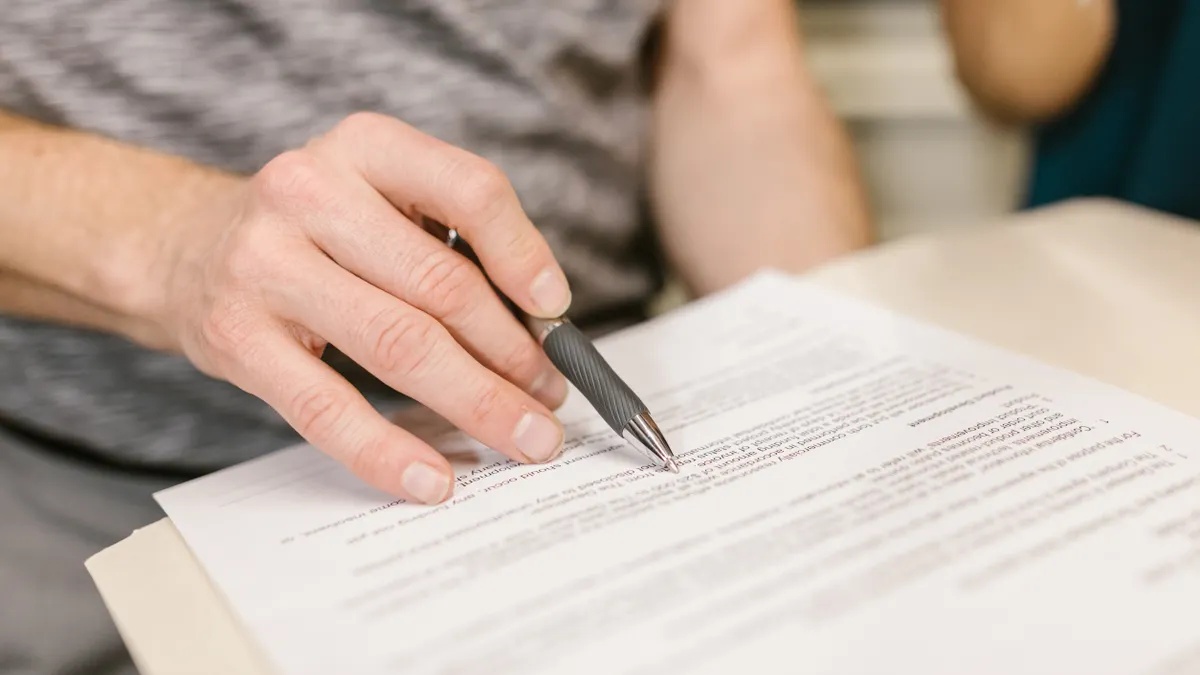
Before signing a rental lease, check the move-in date, rent due date, fees, deposit terms, repair promises, occupancy limits, renewal rules, and every clause that could cost you money or restrict how you live. This article on What Should Be Checked Before Signing a Rental Lease? gives the core answer: read the lease before you sign, because it controls when you move in, what you owe, and what happens if something goes wrong.
Start with the lease itself, not the apartment tour

The lease should match the apartment you were shown, the landlord who is renting it, and the deal you were promised. That means the unit number, address, monthly rent, lease term, and any included items such as parking, a storage locker, or a refrigerator should all be written down. If something was said verbally but never made it into the lease or an addendum, assume it is not part of the deal.
A rental lease is worth reading line by line because the small print often carries the real rules. Look for the move-in date, the length of the lease term, any automatic renewal language, and any blank spaces that could be filled in later. If the landlord uses an addendum, read that too. An addendum can override a clause in the main lease, and a signature usually makes both documents binding.
One good rule: if the lease says one thing and the listing or showing said another, stop and ask for a correction before you sign. A mismatch over a move-in date, rent amount, or included appliance can become a dispute on day one. For a broader tenant-rights overview, see the Consumer Financial Protection Bureau’s rental resources at https://www.consumerfinance.gov/consumer-tools/renters/.
Use this pre-signing checklist in order
- Confirm the parties and the unit. Check the landlord’s legal name, the property address, and the exact unit number so the contract points to the right rental.
- Match the dates. Confirm the start date, end date, and move-in date, especially if you need a few days to move furniture or set up utilities.
- Read the payment section. Note the monthly rent, due date, grace period if any, late fee trigger, and how rent must be paid.
- Check every fee and deposit. Look for application fees, pet fees, parking charges, cleaning charges, and the security deposit terms in writing.
- Scan the use rules. Review occupancy limits, guest policy, smoking rules, subletting, and whether you can keep pets or service animals under the stated policy.
- Find the repair and maintenance clause. See who fixes appliances, plumbing, heating, locks, and pest problems, and how quickly notice must be given.
- Read the exit and renewal language. Check notice periods, renewal deadlines, and what happens at the end of the lease term.
If any step is vague, ask for the exact sentence to be changed. A lease with clean wording saves a lot of trouble later.
What should be checked before signing a rental lease?
The most important items are the rent, the dates, the fees, the deposit language, and the rules that could limit your use of the home. Those are the terms that usually matter when a dispute starts, not the paint color or the marketing photos.
Start with money. The lease should say the monthly rent, when it is due, where it must be paid, and what happens if it is late. Read the late fee section carefully. Even when the amount is not huge, the trigger matters. A fee that starts on day 2 is very different from one that starts after a 5-day grace period.
Then look at the dates. The move-in date and lease start date should leave enough time for keys, utilities, and inspection. If the landlord expects rent before you can get the keys, that should be spelled out clearly. A lease should also say what happens if the unit is not ready on the promised date. That is not the place for vague reassurance.
Next, inspect the rules that can surprise you later. Occupancy limits can affect roommates, partners, children, or long-term guests. A guest clause can turn into a problem if someone stays for more than a few nights, so if the lease language is unclear, consult a local tenant lawyer or housing clinic before signing. A pet clause may cover breed, size, number of animals, or extra cleaning obligations. If you will have a roommate, make sure the lease names everyone who will live there or explains how the landlord approves them. The National Apartment Association’s lease education materials are also useful background: https://www.naahq.org/.
Then read the repair section. A good lease says who handles routine maintenance, who pays for repairs caused by damage, and how quickly the landlord must respond to major issues such as heat, water, or broken entry locks. If the lease makes the tenant responsible for everything, that is a warning sign.
Finally, check the end of the lease. Renewal terms, notice deadlines, and automatic renewal language can lock you into another term if you miss a date by a few days. If the lease says you must give 30 or 60 days’ notice, write that deadline down before signing. For deeper clause-by-clause review, the hub on lease signing and lease clauses is the right next stop.
Make sure the fees and deposit are spelled out clearly

The lease should list every charge in writing, with no mystery fees hiding in an attachment you never saw. That includes the security deposit, any pet charge, parking fee, key replacement charge, move-in fee, cleaning fee, and administrative fee. If the lease refers to a separate schedule of charges, ask for it before you sign. For more on common lease costs, see the lease clauses page and the rent and deposits page.
Do not rely on a verbal explanation of what is “standard.” A landlord can describe a charge one way in conversation and another way in the lease. The written version controls. If a fee is refundable, the lease should say so. If it is nonrefundable, that should also be written plainly.
Pay special attention to the security deposit section. The lease should say how much the deposit is, what it can be used for, and what condition the unit must be in at move-out. It should also describe any itemized deductions process. A vague sentence like “deposit may be used for damages” is too broad to be useful because it leaves room for arguments over normal wear, cleaning, and actual damage.
Read the fee section for trigger points as well. A late fee, lockout fee, returned-payment fee, or key replacement charge can become expensive if the lease uses broad language. If the lease says charges may be “reasonable,” ask for examples or a written cap. If the landlord will not give one, you at least know the risk before signing.
A practical habit helps here: highlight every dollar figure in the lease and every sentence that contains the word “fee,” “charge,” “deposit,” or “penalty.” That takes 10 minutes and exposes most hidden costs fast.
Check the repair promises before you assume anything will be fixed
Repair promises should be in the lease or an attached addendum, not left in casual conversation. If the landlord said the stove will be replaced, the leaking sink will be repaired, or the bedroom door will be fixed before move-in, get that promise in writing with a date or condition attached.
This matters because vague promises are easy to forget and hard to enforce. A lease that says “repairs as needed” does not tell you who decides what is needed or how long the landlord has to act. A stronger lease names the system: heat, hot water, plumbing, electrical, locks, appliances supplied with the unit, and pests if those are the landlord’s responsibility.
Look for the notice process too. Some leases require written notice by email or through a portal before the landlord has a duty to fix something. If the lease says notice must go to a specific address or only through a portal, use that method and keep a copy. A verbal complaint is easy to deny later.
This is the section where many tenants make the wrong call. They sign because the landlord seems reasonable and trust that later promises will be honored. That can work in a friendly situation, but the lease is what matters if the water heater fails in January or the oven never gets replaced. If the promise is important enough to influence your decision, it is important enough to write down.
I would treat this as a hard stop issue if the unit has a known problem and the landlord refuses to put the fix and deadline in writing; if that happens, consult a local tenant lawyer or housing clinic before signing. That is a sign the repair may not happen on time.
Read the occupancy, guest, and use rules like they affect real life
Occupancy limits and use rules can change how you actually live in the unit, so they deserve the same attention as rent. A lease may limit the number of residents, restrict overnight guests, ban smoking, or require approval before anyone new moves in. Those clauses are not filler; they are enforcement tools.
Check whether the lease distinguishes between a short guest visit and a long-term stay. Some leases treat a guest who stays beyond a set number of nights as an unauthorized occupant, but you should confirm that language with local law or a tenant professional before relying on it. If you expect family visits, a partner staying over, or a roommate moving in later, the lease should be clear on the threshold and on how approval works.
Look at the subletting clause as well. If your plans could change in 6 months, you need to know whether subletting is banned, allowed with permission, or allowed only under strict conditions. A lease that says “no subletting” may sound simple, but it can make a job transfer or life change much more expensive.
Pets deserve close reading too. The lease may say pets are allowed only with written approval, only up to a certain number, or only if the animal meets a weight or breed rule. If you have an emotional support animal or service animal, the lease language should not conflict with the rules that apply to those animals. If it does, ask for correction before signing. For a plain-language overview of lease rules, see the lease clauses page.
These rules are easy to dismiss when the apartment looks good. That is the trap. A unit that fits your budget but does not fit your life is still a bad lease.
Look for renewal terms, notice deadlines, and the end-of-lease trap
The renewal section should tell you exactly how the lease ends, renews, or converts to month-to-month. If the lease uses automatic renewal language, check the notice deadline carefully. Missing a 30-day or 60-day notice window can keep you in the lease longer than you planned.
Read the end-of-term language for two things: what notice you must give, and what happens if you stay past the end date. Some leases charge a holdover rate or convert the tenancy automatically. That can create a much higher monthly cost if you misread the deadline by a few days.
If the landlord offers a renewal option, see whether the new rent will be set later and how much advance notice you get. A lease that says renewal terms will be provided 30 days before expiration gives you less control than one with a fixed renewal method. You want enough time to compare options before you are forced into a decision.
Also check whether the lease requires a move-out notice even if you do not plan to renew. Many renters focus on the start date and ignore the exit notice. That is how people lose their deposit position or get stuck with another term they did not want.
The safest move is often to write the lease end date, notice deadline, and any renewal date in your phone the day you get the draft. If the lease says you must notify the landlord by a specific date, do not trust memory. For more on timing, see the move-in checklist and the lease signing guide.
Don’t sign until the paperwork and the move-in date line up
You should not sign until the lease, any addendum, and the move-in timeline all say the same thing. If the landlord is still “working on” the final version, wait. A signed lease is the wrong place to discover a missing promise, a mistaken date, or a fee you never agreed to.
Ask for a clean copy with blanks filled in before you sign. If a clause was crossed out, initialed, or changed by hand, make sure you can read the change and understand what it does. If the landlord wants you to sign a separate addendum, read it with the same care as the main lease because it can control parking, pets, repairs, or use of shared spaces.
Two sources help here if you want to double-check the language: the Consumer Financial Protection Bureau has plain-language material on renting and leases, and Nolo has practical lease clause explanations that can help you understand common wording. If you are looking at a complicated lease or a local rule that changes your rights, a local tenant lawyer or housing clinic can tell you whether a clause is unusual.
This is the part where caution beats speed. A day spent reading can save months of frustration.
What to look for in a lease before signing
Look for the rent amount, due date, lease term, move-in date, deposit terms, repair duties, occupancy rules, and renewal language. Those are the clauses most likely to affect your money or your daily life. If any promise matters to you, make sure it appears in the lease or an addendum in writing.
Can I negotiate a lease before signing?
Yes, you can ask to change a lease before signing, and the best time to do it is before your name is on the page. Focus on dates, fees, repair promises, or any rule that does not fit your situation. A landlord may refuse, but you lose almost all bargaining power after you sign.
Should repair promises be in writing?
Yes, repair promises should be written into the lease or an addendum. A verbal promise is easy to dispute later, especially if the fix involves appliances, heat, plumbing, or a deadline before move-in. Put the item, the timing, and who pays in writing before you sign.
Drafted with AI; not yet reviewed by a person.