Last updated: August 11, 2026
Quick Answer
A deadline is already ticking. When you are trying to figure out how respond an eviction notice before your court date, put it in writing, identify the exact paper in front of you, and follow the deadline printed on the notice or court summons. In many cases, the first 24 to 72 hours matter most because cure periods, answer deadlines, and hearing dates can move quickly. Fast? Yes.
Key takeaways:
– The right response depends on the document: notice, summons, complaint, motion, or hearing notice.
– Missing a written deadline can lead to default judgment in some courts.
– Keep copies of every notice, payment receipt, text, email, and envelope.
– A defective notice may help, but it does not automatically end the case.
– When you are unsure, get local legal aid or a housing lawyer fast.
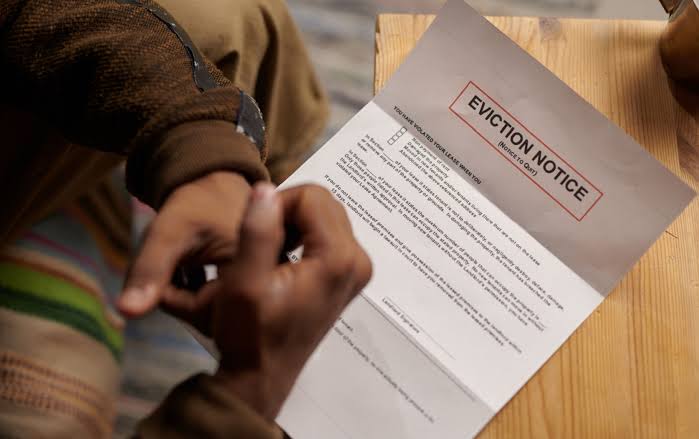
Got an eviction notice? The safest move is usually to act fast, keep everything in writing, and check whether the notice or the court papers have a defect that matters in your jurisdiction. I’m writing for the person who is staring at a deadline and asking, “What do I do before the court date so I don’t make this worse?” This is general information, not legal advice, and eviction rules vary by jurisdiction, so a qualified lawyer should be consulted about your situation. For general tenant guidance, the U.S. Department of Housing and Urban Development (HUD) and many state court websites explain local rules and deadlines.
Contents
- What Actually Determines the Right Response
- If You Have Not Been Served With Court Papers Yet
- If You’ve Been Served With a Summons and Complaint
- If the Notice Is Wrong, Unclear, or Served the Wrong Way
- What to Do If You Can Pay, Need More Time, or Want to Stay
- Edge Cases Where the Normal Advice Breaks Down
- What You Should Bring to Court and How to Use It
What Actually Determines the Right Response

Your court date is not the only thing that matters. What kind of paper did you get, what stage is the case at, and what facts can you prove right now? Those three questions drive the whole response.
A plain termination notice calls for a different move than a filed lawsuit. After you have been served with a summons and complaint, doing nothing can give the landlord a shot at default judgment. Service method can matter too — slipped under the door, mailed, handed to someone else. And if the case is for nonpayment, the path may look nothing like a “lease violation” or “holdover” matter.
Here is the decision table I would use first:
| Situation | Best Path | Why Other Options Fail |
|---|---|---|
| You got a notice, but no court papers yet | Read the notice, check the deadline, pay or cure if allowed, and start documenting everything | Waiting can burn the cure period |
| You got a summons and complaint | File an answer or appearance by the deadline in your court | Silence can lead to default |
| You think the notice was defective or not properly served | Raise the issue in writing and in court, with proof | A verbal complaint rarely protects you |
| You can pay what is owed, but not all at once | Ask in writing for a payment arrangement or reinstatement option if local law allows | Hoping the landlord “works it out” is weak |
| You have a housing problem caused by repairs, retaliation, or discrimination | Gather records and raise the defense promptly | Those arguments get harder when you wait |
Not sure which bucket fits? Read every page twice and split “notice,” “summons,” “complaint,” “motion,” and “hearing date” into separate piles. Those labels matter more than the envelope. Because eviction timelines can be short, one misread date can blow up the whole case.
Quick check: When you can point to the exact paper that started the clock, you know which path you’re on. When you cannot, stop and identify the document first.
If You Have Not Been Served With Court Papers Yet
Only a notice? Then your job is to answer before the landlord turns that paper into a court case. If court papers have already arrived, skip this path.
Start with the notice type. In many places, a nonpayment notice gives a chance to pay or move out. A lease-violation notice may allow a fix, depending on local law and the wording. A notice to quit or terminate tenancy may simply set a move-out deadline. The effect depends on your jurisdiction.
Do this in order:
- Photograph every page of the notice and the envelope or door posting, if there was one.
- Write down the date and time you received it, and how you received it.
- Separate facts from guesses: what is owed, what conduct is alleged, and what deadline is written.
- Check your lease and recent payment records against the notice.
- Decide whether the issue can be cured, disputed, or both, and if needed consult a local legal aid office or housing lawyer before choosing one path.
- Respond in writing, not just by phone or text, and keep a copy.
- Contact a local legal aid office or housing lawyer if the notice looks wrong or the deadline is tight.
If the notice says you can fix the problem, do it exactly that way and save proof. If it says rent will stop the eviction, pay by a traceable method and keep the receipt. If the paper claims a lease breach you did not commit, send a calm written dispute that states the key facts and attaches proof if you have it. Bluntly, promises over the phone are paper-thin.
I would not rely on a manager’s verbal assurance. I would not hand over cash without a receipt. I would not move out early unless that is a deliberate choice after thinking through the cost of the next step.
One honest limitation: if your landlord has already decided to file, a cure or payment may not end the dispute in every jurisdiction, so consult a lawyer or legal aid office and check a local court source before relying on it. Sometimes it only improves your position.
Quick check: When the deadline on the notice has not passed, your best move is usually to act in writing now, not wait for court.
If You’ve Been Served With a Summons and Complaint
Court papers in hand? Then the answer is usually to respond before the deadline listed by the court or the papers. Defective paperwork, improper service, or settlement talks can change the plan, though; do not assume the landlord will pause just because you are trying to fix things.
At this point, follow the court’s procedure to the letter. Some courts want a written answer. Some want an appearance. Some want both. Weirdly, the wrong form can trip people up faster than the actual facts.
The safest basic workflow often looks like this:
- Read the summons first. Find the hearing date, answer deadline, and courtroom name or division.
- Identify the claims: nonpayment, lease violation, expiration of tenancy, or something else.
- Collect your lease, rent ledger, receipts, repair photos, text messages, and any prior notices.
- Prepare a written answer or appearance if your court requires one.
- List only defenses you can support with facts, such as payment, partial payment, lack of notice, habitability problems, retaliation, discrimination, or bad service where those defenses exist under local law.
- File the response with the court the way the court requires, then serve the landlord or the landlord’s lawyer if required.
- Bring proof to court: copies, not originals, plus a simple timeline.
Miss the filing step when a written answer is required, and the landlord may ask for judgment without hearing your side. File something sloppy with no facts, and you can still lose credibility. Short and accurate beats dramatic every time.
Generic advice likes to say “fight every eviction.” Too blunt. If you owe the rent and can pay it, a payment agreement may be the practical move. If you do not owe what they say, your answer should say that plainly and explain why. And if repairs hurt your use of the home, do not bury that under unrelated complaints.
For general tenant-rights language, the U.S. Department of Housing and Urban Development’s tenant rights materials are useful, and many state court websites explain local filing steps. HUD’s federal Fair Housing page on discrimination is here: https://www.hud.gov/fairhousing and the Legal Services Corporation can help you find local legal aid at https://www.lsc.gov/about-lsc/what-legal-aid/get-legal-help
Quick check: When you have a court date on paper, your immediate question is not whether to “wait and see.” It is whether your court requires a written response now.
If the Notice Is Wrong, Unclear, or Served the Wrong Way
Something looks off? Do not ignore it. But if the defect is minor and your jurisdiction treats it as harmless, staking everything on a technical slip can backfire. Save the issue. Do not bet the farm on it.
Common problems include the wrong address, the wrong amount owed, dates that do not match your lease, missing notice language, unclear instructions, or a service method that does not match local rules. Some defects matter a lot. Others matter only if you raise them correctly and on time.
What I would do:
- Mark every error on a clean copy of the notice.
- Compare it with your lease, payment history, and any prior warnings.
- Take screenshots or photos of messages showing what the landlord said and when.
- Look up your local court or legal aid guidance on notice defects and service rules.
- Put the defect in your written response or answer, using plain facts, not insults.
- Bring the original notice, envelope, and your copies to court.
When the amount is off, show your ledger and receipt trail. If the notice was posted at the wrong place or handed to the wrong person, save evidence of where you actually live and who received it. If the paper misses the required time or warning, raise that issue early.
Here is the catch: not every flaw gets the case dismissed, and some courts let the landlord fix the mistake and start again. So I would never treat a defect as the only plan. It is a defense tool, not a magic shield.
Quick check: When the paper you received does not match your lease, your payment records, or the method your jurisdiction requires, you should preserve that defect in writing right away.
What to Do If You Can Pay, Need More Time, or Want to Stay
Money trouble? Then a written proposal often helps more than silence. If you cannot pay at all, or if the landlord has already shut down the deal, your attention may need to shift to court defense or move-out planning instead.
If you can pay the full amount and the law in your area allows cure before judgment, do it in the exact form required and keep proof. Should you be able to pay part but not all, ask for a written agreement that says what happens to the case when you pay. Need more time? Ask in writing too, but assume the landlord can say no.
A practical sequence:
- Calculate the exact amount claimed, including rent, late fees, and any court costs listed.
- Compare that number with your own ledger.
- Decide whether you are disputing the amount, paying it, or proposing a plan.
- Send a short written message that names the amount you can pay and when.
- Use a payment method that leaves a record.
- Ask for a written receipt and a written statement about whether the eviction case will be dismissed, paused, or kept open.
When you want to stay, do not frame everything as a plea. Frame it as a concrete proposal: “I can pay X on Y date if you will accept it and confirm in writing what happens to the case.” That still may not work, but it gives the other side something to say yes to.
One trade-off worth saying out loud: paying to stop an eviction can solve the immediate case and still leave you in a strained landlord-tenant relationship. That may matter if you expect another dispute later.
Quick check: When money is the issue, the response that helps most is usually a written, documented payment plan or cure attempt, not a phone call.
Edge Cases Where the Normal Advice Breaks Down
When your situation fits one of these, the usual “answer the notice and go to court” advice is too simple. Change the plan.
| Situation | What Changes | What to Do Instead |
|---|---|---|
| You live in subsidized or public housing | Extra program rules may control notices, cure rights, and hearings | Contact the housing authority rules or a lawyer before taking action |
| You are in a domestic violence, stalking, or safety situation | Moving, communicating, or meeting the landlord may increase risk | Use written communication only if safe, and ask a local advocate about emergency protections |
| The landlord accepted rent after serving notice | Acceptance can affect the case in some places, but not always | Save proof and raise the issue promptly rather than assuming it ends the case |
| You share the home with roommates not named in the papers | The case may not cover everyone the same way | Check who is named, who was served, and who must respond |
| The case is for illegal activity or a serious lease breach | Cure rights may be limited or nonexistent | Get local legal help fast and do not assume payment fixes it |
| You already missed a deadline | The standard response may be too late | Ask the court clerk or a lawyer about any late-answer or set-aside option in your jurisdiction |
A few of these need plain English. When you are in subsidized housing, one bad move can affect benefits, not just the lawsuit. If abuse or stalking is in the picture, meeting the landlord in person may be unsafe. If the landlord took rent after the notice, that can matter, but the effect is not universal. If only one roommate is named, do not assume the papers cover the whole household in the same way.
Quick check: When your case involves housing assistance, safety issues, or a missed deadline, do not use the standard playbook without checking local rules first.
What You Should Bring to Court and How to Use It
A court date turns paperwork into ammunition. What you bring can matter as much as what you say. But when the case gets settled before the hearing, you still need the same records because the other side may want proof before offering anything useful.
Bring a simple paper file, not a pile of loose papers:
- Lease and any renewals
- Rent ledger and payment receipts
- All notices and the envelope
- Photos or videos of repair problems
- Texts, emails, and letters with dates visible
- A one-page timeline
- The written answer or response you filed
- A notepad with the exact ask you want to make
I would organize the hearing around three questions: What happened? What can I prove? What do I want the court to do? That keeps you from drifting into a speech that sounds emotional but does not answer the judge’s questions.
If the landlord’s story is wrong, your documents need to show why in a way the court can follow in 60 seconds or less. Judges often have many cases on one calendar, so clear paperwork can matter as much as the facts themselves.
Quick check: When you can explain your case with one timeline, three key documents, and one request, you are probably organized enough for the hearing.